Tag Archives: health

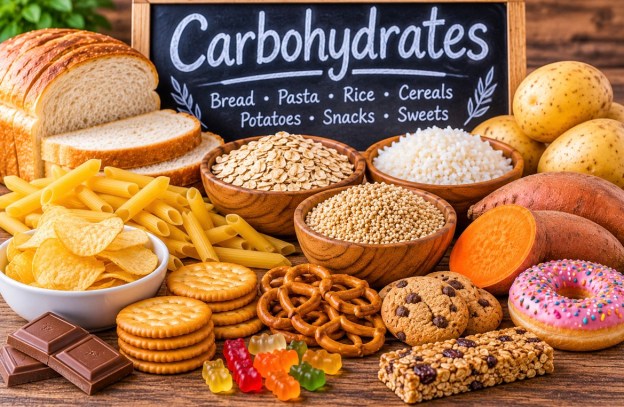
What Is A Carbohydrate?

A carbohydrate is one of the three main nutrients found in food, alongside protein and fat.

Carbohydrates are made up of sugar molecules. When you eat them, your digestive system breaks many of them down into glucose (sugar), which your body can use for energy.

There are three main types of carbohydrate:
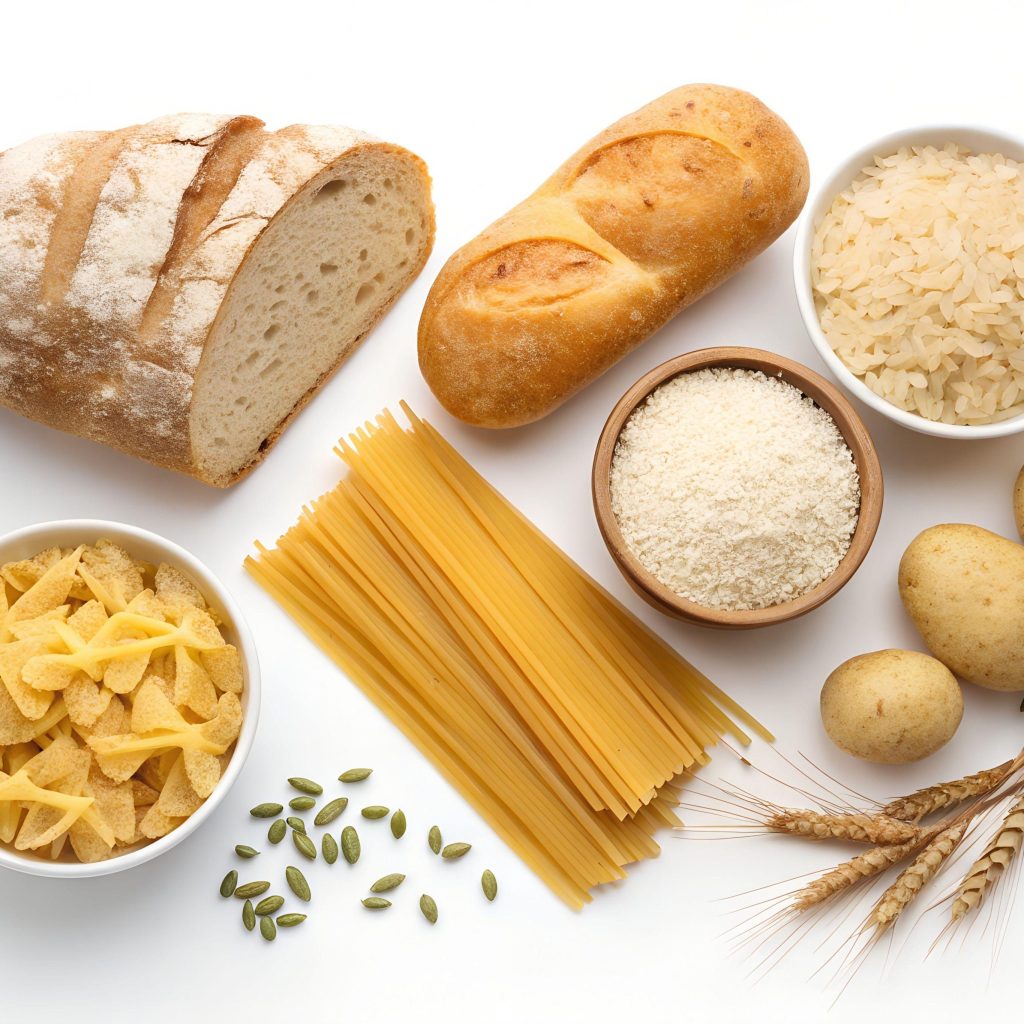
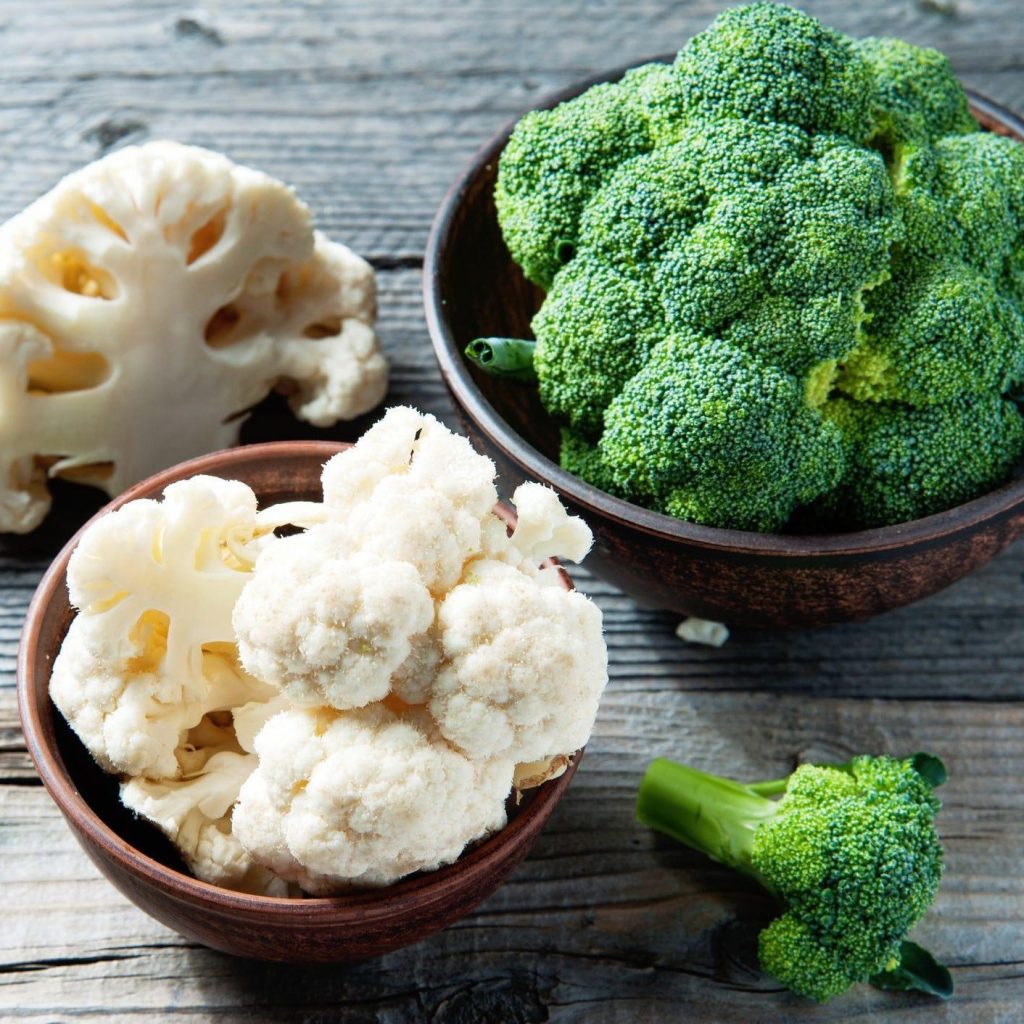
STARCHES
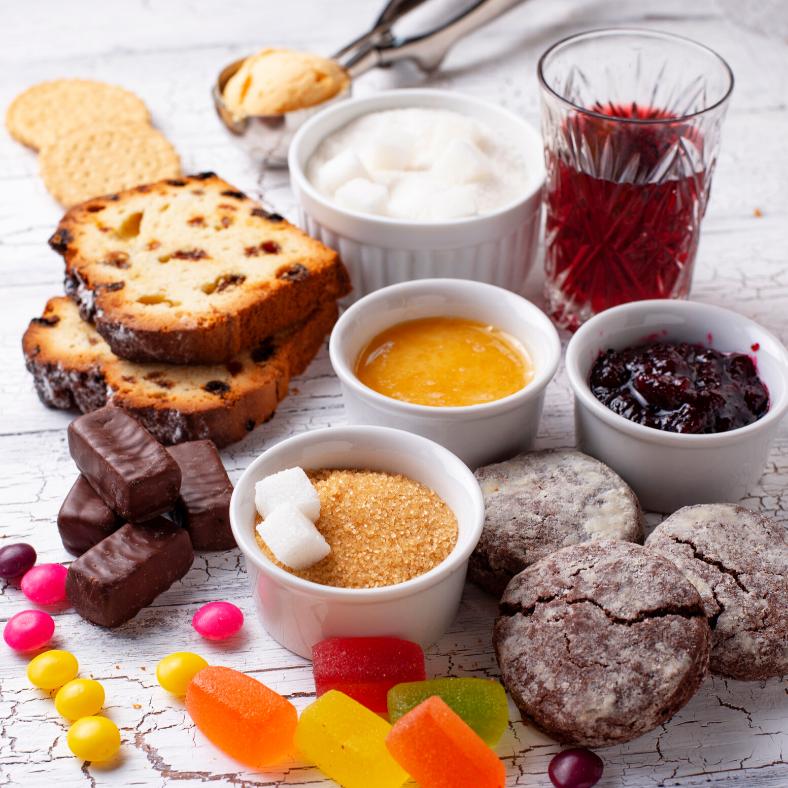
SUGARS
FIBRE

What happens when you eat carbohydrates?

  • Carbohydrates are broken down into glucose.
  • Glucose enters your bloodstream.
  • Your blood sugar rises.
  • Your body releases insulin to help move glucose into cells.
  • Excess energy can be stored for later use.

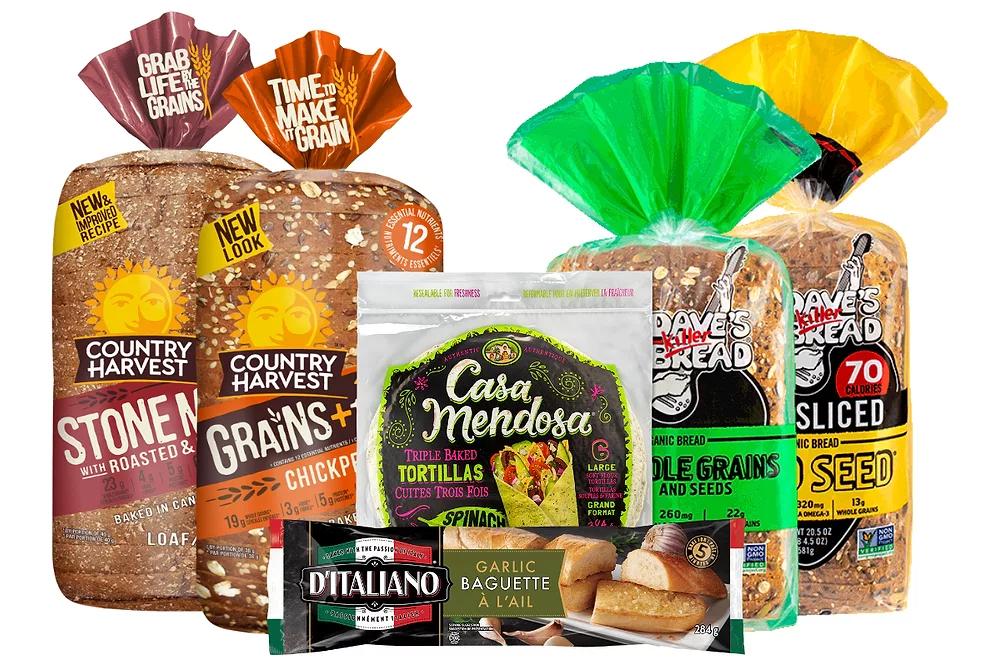
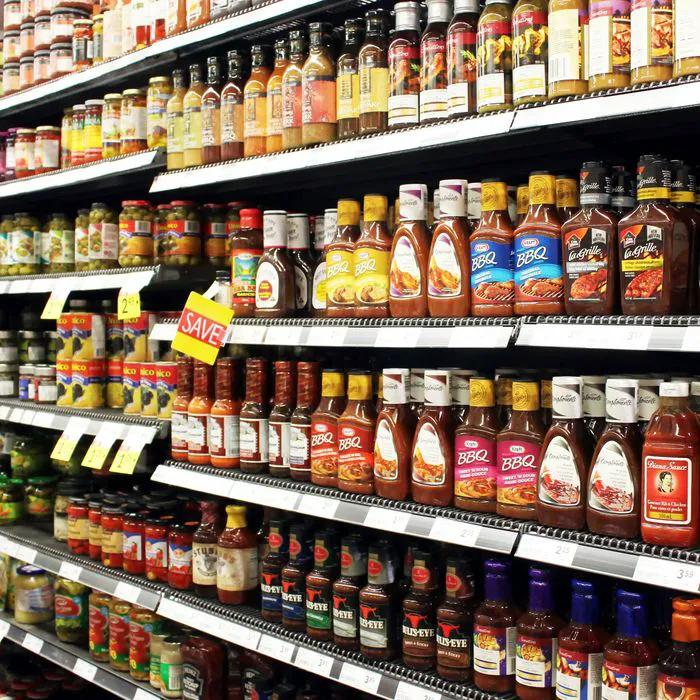
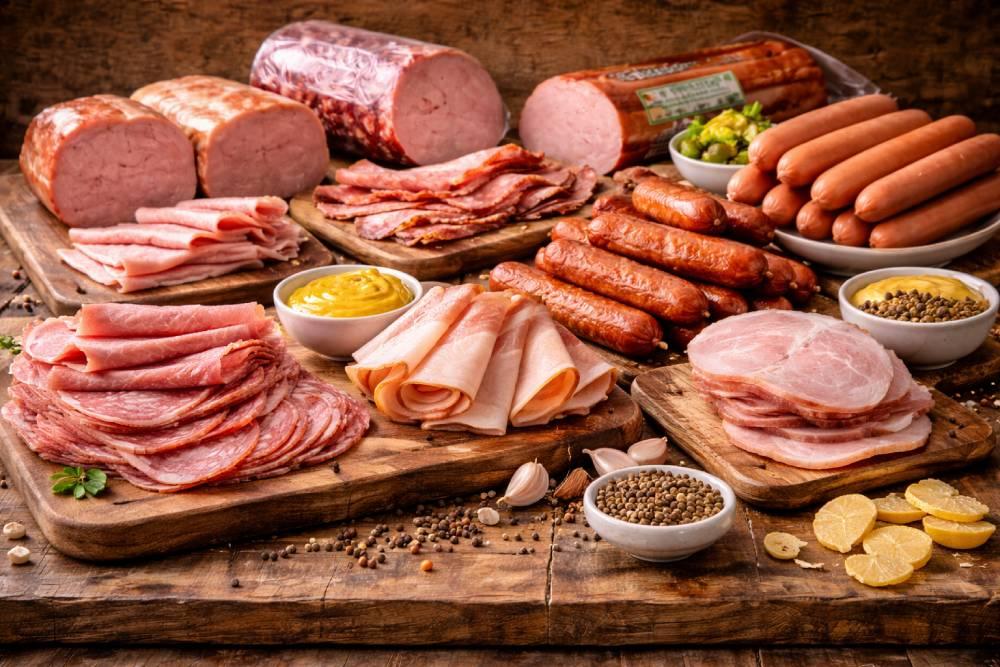
Common processed foods containing carbohydrates
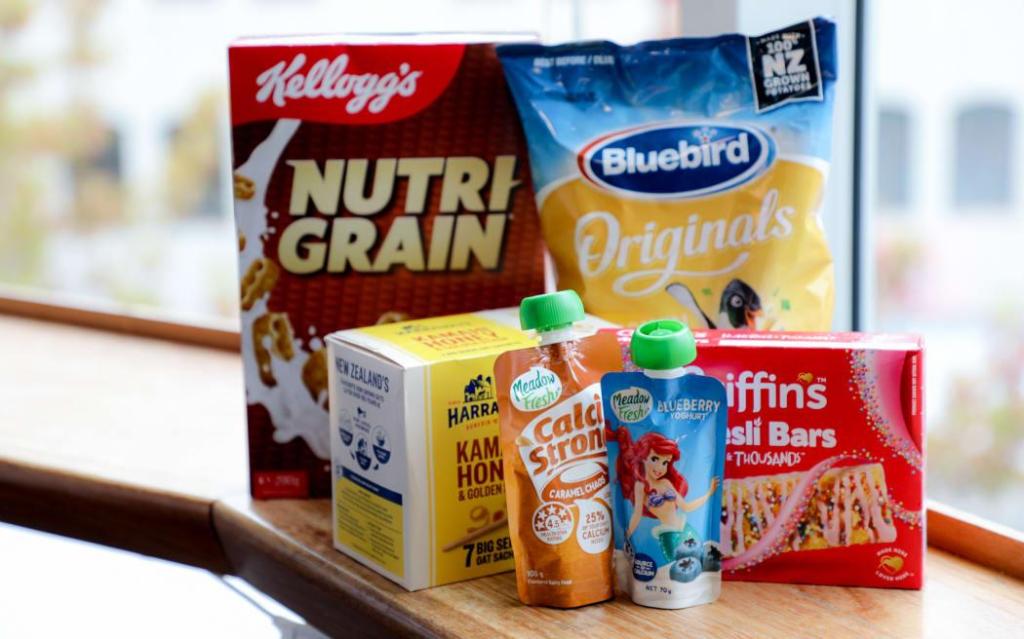
Interesting fact: Your body does not actually need to eat carbohydrates to survive. It can make the glucose it needs through a process called gluconeogenesis.

Your body does, however, need essential fatty acids and essential amino acids from your diet.

What Is Gluconeogenesis?

Gluconeogenesis is the process by which your body makes its own glucose (blood sugar) from sources other than carbohydrates.

Your body can make glucose from three main sources:

  1. Protein: Certain amino acids from the protein you eat, such as beef, eggs and fish.
  2. Glycerol: Released when your body breaks down stored body fat.
  3. Lactate: Produced by muscles and other tissues during normal metabolism.

Where does it happen?

Your body has its own ability to manufacture glucose. This is why humans can survive without eating carbohydrates.

It’s made primarily in your liver, although your kidneys also contribute, particularly during prolonged fasting.
Screenshot

Summary of Carbohydrates / Sugar:

Your body regulates this process according to its needs.

You don’t need to eat sugar to maintain the minimal glucose your body requires.
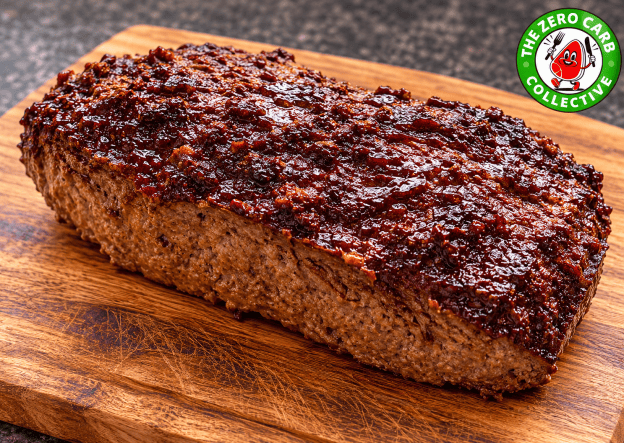
Lion Diet Meatloaf

Ingredients:

  • 750g 80/20 Minced Beef
  • 100g Beef or Lambs Liver
  • Salt to Taste

Method

  1. Place minced beef in to a large bowl
  2. Blitz the liver until smooth.
  3. Mix the beef, liver and salt together. Use your hands to pull it all together.
  4. Place the mixture in to a 2lb baking tin. I lined the tin with parchment paper.
  5. Cook in the airfryer on 180c for 30 minutes.
  6. Check the temperature has reached 75c. If not, reheat in 5 minute increments.
  7. When hot enough, rest the meatloaf for 20 minutes before eating.

Statins vs Cholesterol

Cholesterol is essential, not a toxin.

Cholesterol is necessary for cell membranes, steroid hormones and bile acids. Carnivore advocates argue that a high cholesterol reading should not automatically be treated as a disease. The important fact is that the body needs cholesterol

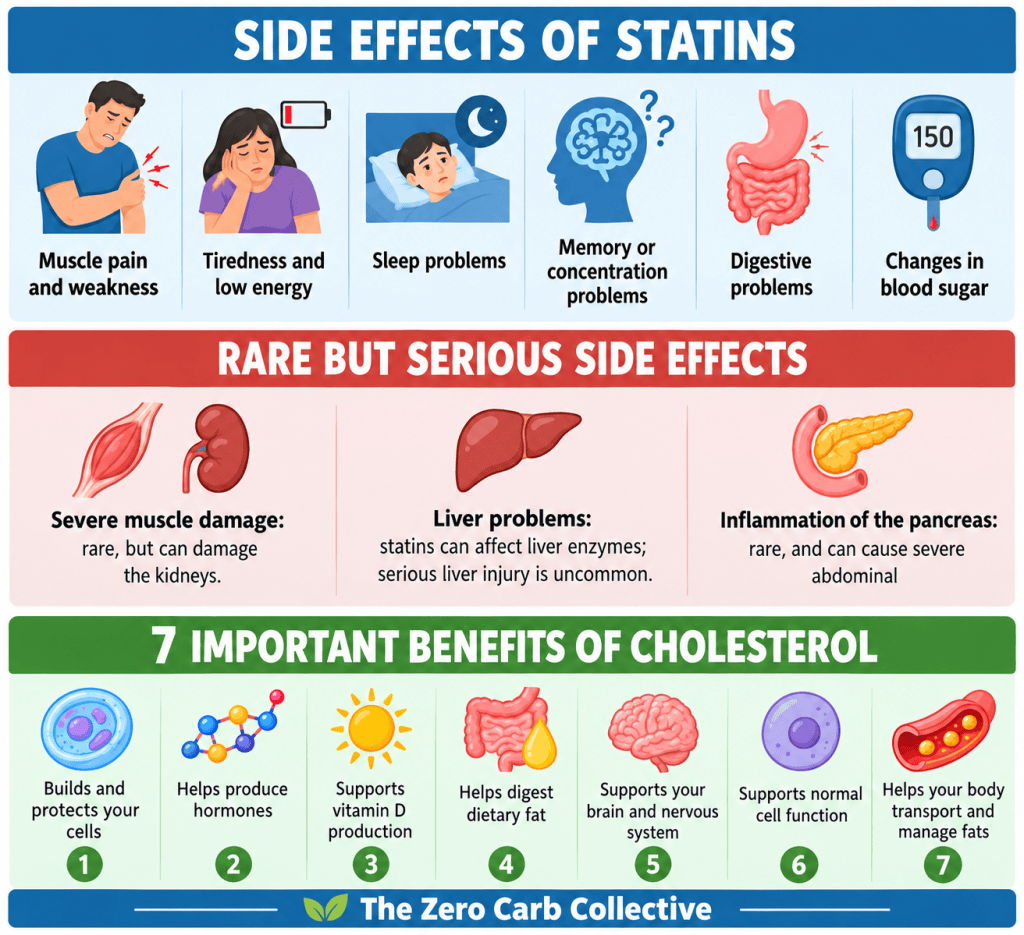
SIDE EFFECTS OF STATINS

Muscle pain and weakness: Aches, cramps, tenderness or unusual muscle weakness. Most muscle symptoms are not serious, but unexplained symptoms should be checked.

Tiredness and low energy: Some people report feeling unusually tired or physically weaker than normal.

Sleep problems: Difficulty sleeping or changes in sleep may occur with some statins.

Memory or concentration problems: Some people report forgetfulness or confusion. However, research has not established that statins cause most of these reported symptoms.

Digestive problems: Nausea, constipation, diarrhoea, indigestion, wind or stomach discomfort.

Changes in blood sugar: Statins can cause a small increase in blood sugar and slightly increase the risk of developing type 2 diabetes in some people.

RARE BUT SERIOUS SIDE EFFECTS

Severe muscle damage: rare, but can damage the kidneys.

Liver problems: statins can affect liver enzymes; serious liver injury is uncommon.

Inflammation of the pancreas: rare, and can cause severe abdominal

Cholesterol is essential for human life.

Cholesterol is essential for human life. Your body needs it to build cells, produce important hormones, make vitamin D and help digest fats. It isn’t simply a harmful substance that we should try to eliminate.

7 important benefits of cholesterol

Builds and protects your cells: Cholesterol is a key component of your cell membranes. It helps maintain their structure, stability and flexibility so cells can function properly.

Helps produce hormones: Your body uses cholesterol to make steroid hormones, including testosterone, oestrogen, progesterone and cortisol.

Supports vitamin D production: Your skin uses a cholesterol-related substance to produce vitamin D when exposed to suitable ultraviolet B (UVB) sunlight.

Helps digest dietary fat: Your liver uses cholesterol to make bile acids, which help break down and absorb fats and fat-soluble vitamins A, D, E and K.

Supports your brain and nervous system: Cholesterol is important for nerve-cell membranes, synapses and the myelin sheaths that insulate nerve fibres. Most cholesterol in the brain is made locally because blood cholesterol does not readily cross the blood–brain barrier.

Supports normal cell function: Cholesterol helps cells maintain their membranes and organise the proteins involved in cell signalling and other essential processes.

Helps your body transport and manage fats: Cholesterol travels around your bloodstream in lipoproteins, which also carry triglycerides and other fats to and from tissues.

My Final Thoughts: There is no need to take statins but if you personally need one depends on your cardiovascular risk, medical history and the likely absolute benefit—not simply on having a high cholesterol result.

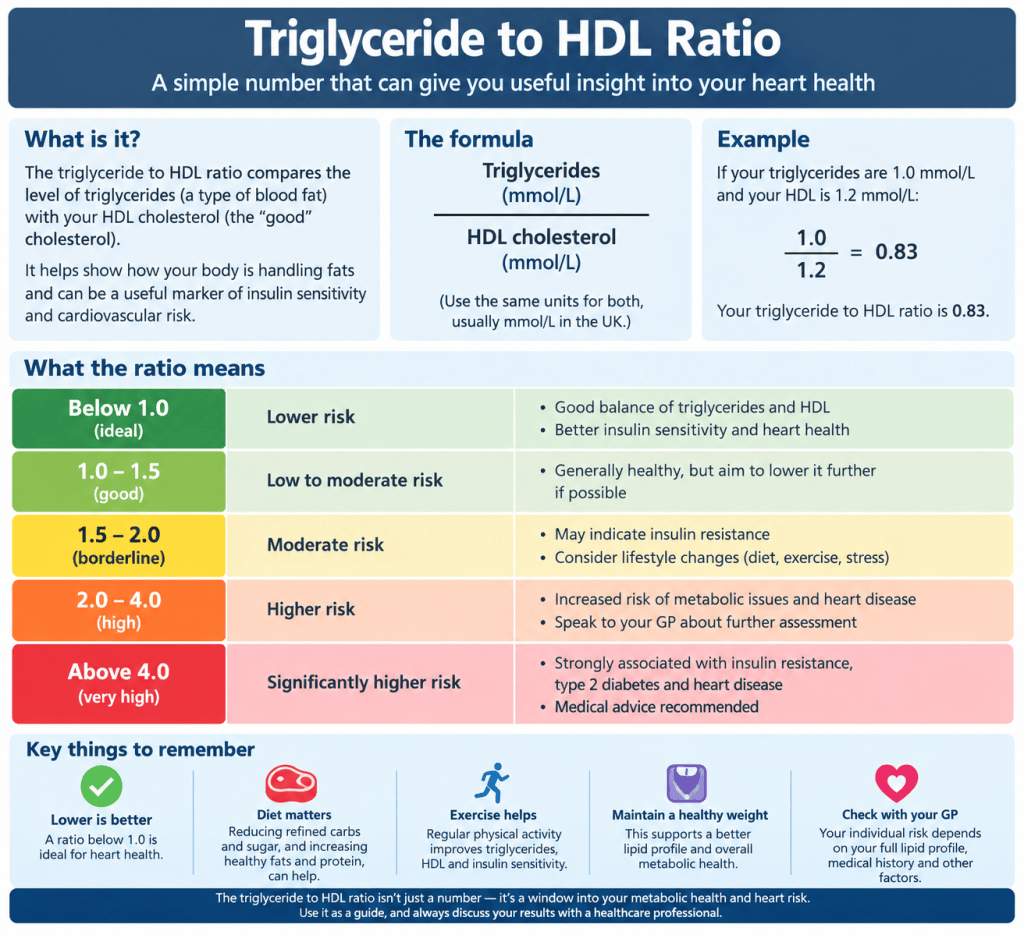
LDL is not bad, your HDL and Triglycerides ratio is more telling. Also your CRP (inflammatory marker) and HBA1C are really important to look at, as they, and your waist to height ratio, are really important measures of good metabolic health.

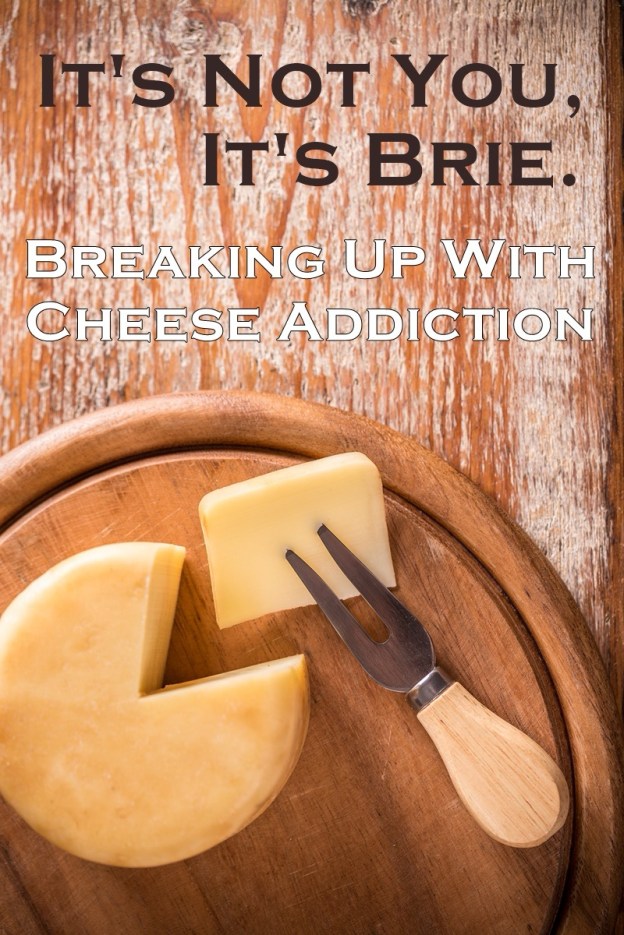
Cheese Addiction

Cheese!!!

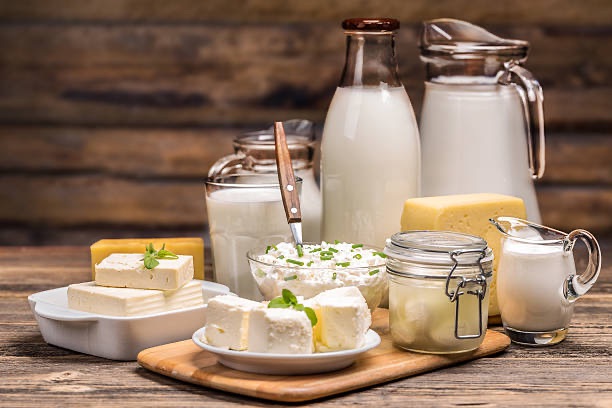
Full fat dairy, cheese in particular, is regularly eaten by people in their Keto and Carnivore lifestyles; but there are many others who steer clear completely, or eat it in moderation.

When we first started Keto, then migrated to Carni, we used to eat cheese regularly, daily probably. I have always loved cheese, and would very often find myself heading to the fridge, even when I wasn’t hungry. At that point, I was happy with that, as milk is from a cow, sheep or goat, so therefore it was “allowed” within our chosen lifestyle.

What I wasn’t considering was the reason that drove this behaviour. I knew I liked cheese, a lot, but I had no idea of casein, and its impact on my body and mind. Casein is naturally occurring in animal milk, and constitutes 80% of the protein found within milk. It is natural, not an additive. When the cheese we eat is digested, the casein breaks down into casomorphins. It is these casomorphins that trigger opioid receptors in the brain, which means they are mildly addictive. When I learned this, my intense love of cheese suddenly made so much more sense.

I have talked before of my fairly recent understanding of my own food addiction, specifically sugar and processed foods. So I know I have the capacity to find foods addictive, and have managed to remove the sugars which kept that part of my brain constantly firing, searching for sugar. Now I find that cheese was having a similar, but lesser, impact on me.

This is why our attitude to cheese is different now. We still eat it, but I eat it intentionally, not when I’m feeling bored, or when my brain tells me I “need” it. I have it as part of a meal, maybe once a week, or less frequently. We most often use cheese in a Carnivore crustless quiche, which is great to have cold on days when you are travelling; as it can save you from having a fast food drive through when the hunger pangs kick in. You can find our recipe here.

As ever, none of this is any advice, it is just what I have learned from my own experiences and research.

Jen x