Tag Archives: Carnivore diet

Statins vs Cholesterol

Cholesterol is essential, not a toxin.
Cholesterol is necessary for cell membranes, steroid hormones and bile acids. Carnivore advocates argue that a high cholesterol reading should not automatically be treated as a disease. The important fact is that the body needs cholesterol
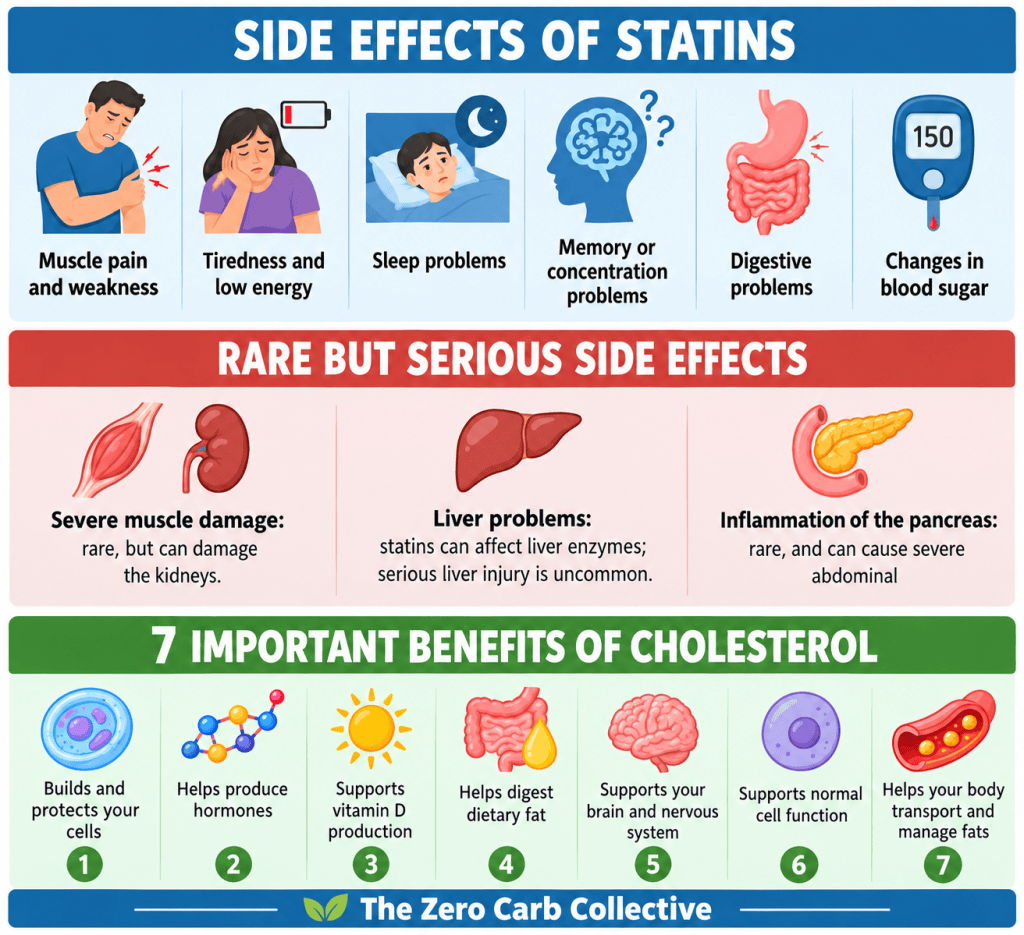
SIDE EFFECTS OF STATINS

Muscle pain and weakness: Aches, cramps, tenderness or unusual muscle weakness. Most muscle symptoms are not serious, but unexplained symptoms should be checked.

Tiredness and low energy: Some people report feeling unusually tired or physically weaker than normal.

Sleep problems: Difficulty sleeping or changes in sleep may occur with some statins.

Memory or concentration problems: Some people report forgetfulness or confusion. However, research has not established that statins cause most of these reported symptoms.

Digestive problems: Nausea, constipation, diarrhoea, indigestion, wind or stomach discomfort.

Changes in blood sugar: Statins can cause a small increase in blood sugar and slightly increase the risk of developing type 2 diabetes in some people.

RARE BUT SERIOUS SIDE EFFECTS

Severe muscle damage: rare, but can damage the kidneys.

Liver problems: statins can affect liver enzymes; serious liver injury is uncommon.

Inflammation of the pancreas: rare, and can cause severe abdominal

Cholesterol is essential for human life.

Cholesterol is essential for human life. Your body needs it to build cells, produce important hormones, make vitamin D and help digest fats. It isn’t simply a harmful substance that we should try to eliminate.

7 important benefits of cholesterol

Builds and protects your cells: Cholesterol is a key component of your cell membranes. It helps maintain their structure, stability and flexibility so cells can function properly.

Helps produce hormones: Your body uses cholesterol to make steroid hormones, including testosterone, oestrogen, progesterone and cortisol.

Supports vitamin D production: Your skin uses a cholesterol-related substance to produce vitamin D when exposed to suitable ultraviolet B (UVB) sunlight.

Helps digest dietary fat: Your liver uses cholesterol to make bile acids, which help break down and absorb fats and fat-soluble vitamins A, D, E and K.

Supports your brain and nervous system: Cholesterol is important for nerve-cell membranes, synapses and the myelin sheaths that insulate nerve fibres. Most cholesterol in the brain is made locally because blood cholesterol does not readily cross the blood–brain barrier.

Supports normal cell function: Cholesterol helps cells maintain their membranes and organise the proteins involved in cell signalling and other essential processes.

Helps your body transport and manage fats: Cholesterol travels around your bloodstream in lipoproteins, which also carry triglycerides and other fats to and from tissues.

My Final Thoughts: There is no need to take statins but if you personally need one depends on your cardiovascular risk, medical history and the likely absolute benefit—not simply on having a high cholesterol result.
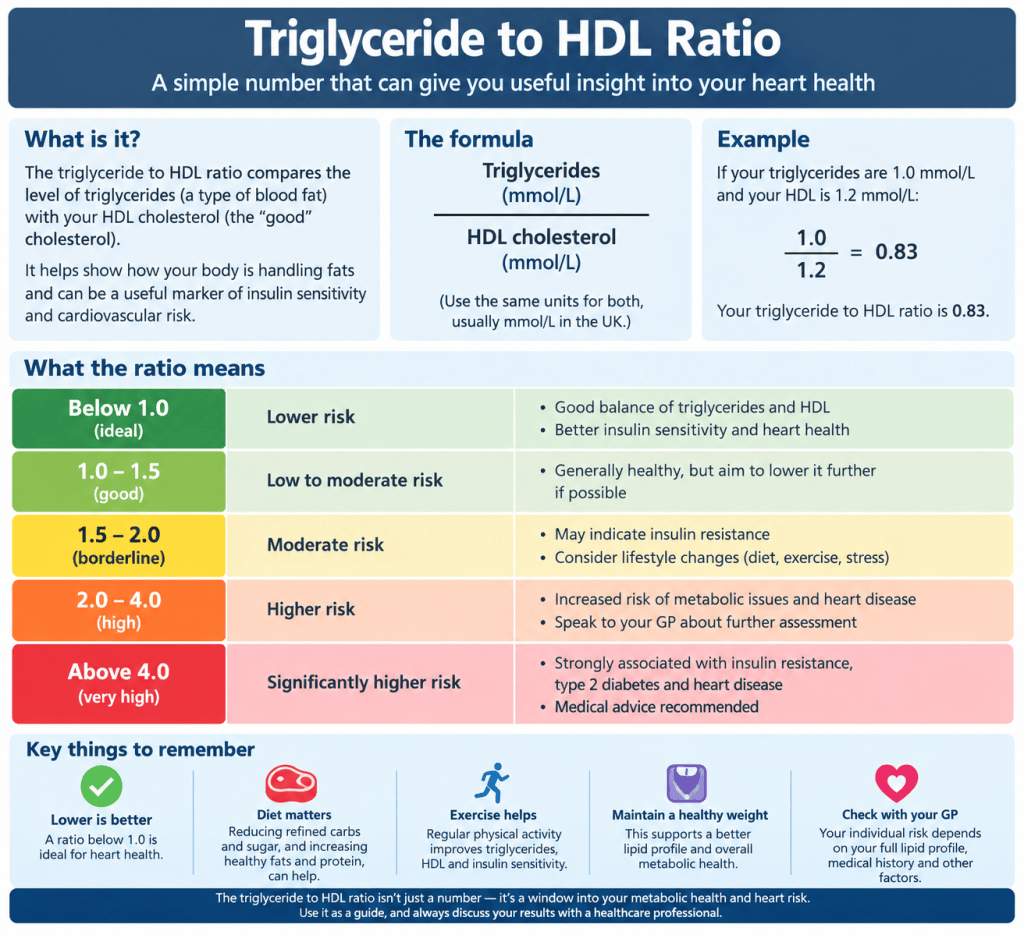
LDL is not bad, your HDL and Triglycerides ratio is more telling. Also your CRP (inflammatory marker) and HBA1C are really important to look at, as they, and your waist to height ratio, are really important measures of good metabolic health.
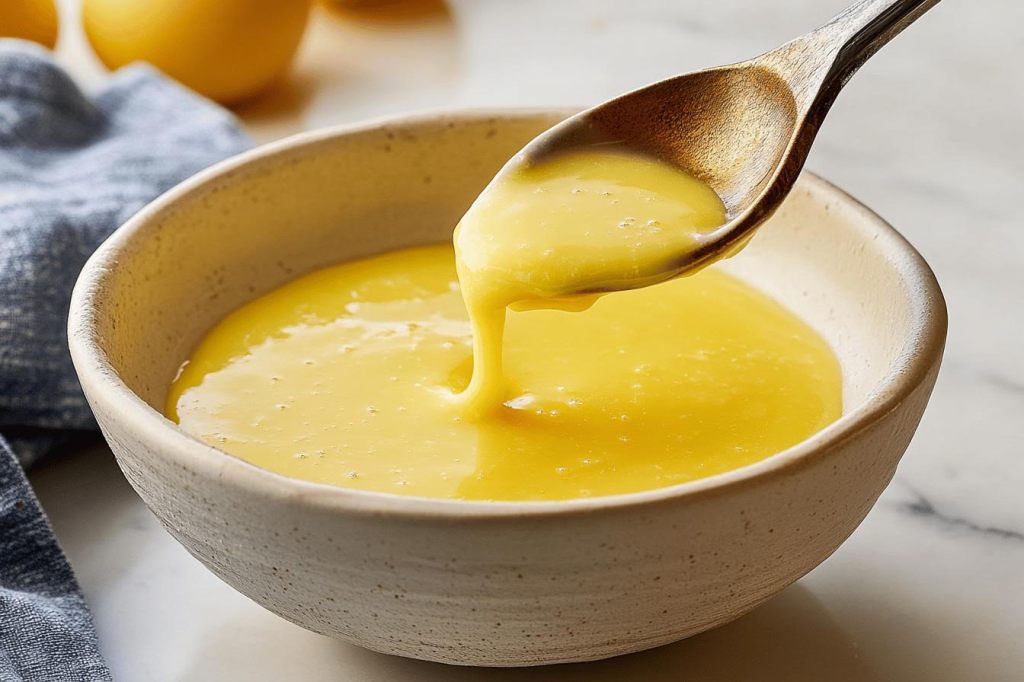
Carnivore Hollandaise Sauce

Ingredients

2 egg yolks

100 g butter

1–2 teaspoons apple cider vinegar (ACV)

Pinch of salt, to taste

Method

Blend the yolks

Place the egg yolks and 1 teaspoon of ACV in a blender. Blend until combined, about 30 seconds.

Melt the butter

Melt the butter gently in a Microwave. Keep it warm but not sizzling hot.

Add the butter slowly

Remove from the Microwave . Slowly drizzle in the melted butter while blending constantly until the sauce is thick, smooth and glossy. Add salt and extra ACV to taste.

Tips for the perfect carnivore sauce

Too thick? Whisk in a teaspoon of warm water.

Too sharp? Use less ACV next time or add a little more butter.

Strict carnivore? ACV is plant-derived, so omit it if you avoid all plant products. You can use a little warm water and salt instead. We use ACV because we like the tang.

Carnivore Pizza

Carnivore Pizza.

Ingredients:

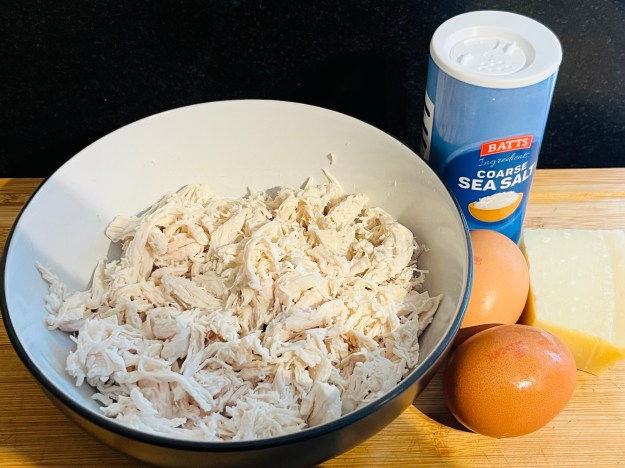
  • 1lb Chicken Breast
  • 50g Grated Parmesan
  • ½ tsp salt
  • 2 eggs

First up you will need to shred your chicken breast. You can buy tinned chicken or you can use your raw chicken breast, as I did.

How to Cook Shredded Chicken

  • Put boneless, skinless chicken breasts in a pan or pot.
  • Add chicken broth or water to cover the meat.
  • Season with salt and pepper.
  • Bring to a low simmer over medium heat, then turn the heat to low. Do not let it boil hard, or the chicken will get tough.
  • Cook for 10 to 12 minutes until the internal temperature reaches 75°C
  • Let the chicken rest for 5 to 10 minutes so it stays juicy
  • Two Forks: Hold the warm chicken on a board with one fork and pull the meat apart with the other.

Now we can move on with the recipe:

Method

  1. Preheat the oven to 200c or 180c fan. Line a baking tin with parchment paper.
  2. Stir together in a bowl the shredded chicken, grated Parmesan cheese, eggs and sea salt.
  3. Spread the chicken crust pizza “dough” into a baking pan, as thinly as possible (about 1/4 in thick). 
Pre-cooked pizza base
  1. Place in the oven.
  2. Bake for 15 to 20 minutes, until firm and golden on the edges.
Baked Pizza Base
  1. Let the crust rest for 10 minutes, which helps “seal” it.

Return to the oven for 10 to 15 minutes, until the cheese is melted. If desired, place under a grill for a couple of minutes to brown the cheese more.

The effect of highly processed foods, on our hormones and weight

A hundred years ago, our great grandparents ate foods that were farmed, or grown in the fields. Now, sadly, the majority of the foods available in the supermarket, are produced in factories, highly processed and made using ingredients that would have been unheard of a few generations ago. I would argue that our relatives were far healthier too.

The trend for the last 40 years plus has been for low fat foods. When the fat is removed, so much of the flavour disappears too, so sugar or sweeteners are added to help with the flavour; but this still can be classified as low fat. Which of course is good for us, isn’t it?

The general consensus would say that there is nothing wrong with sweeteners, that they are zero calories, so what is the issue?

Think about what happens to your body when you eat something sweet, this includes sweeteners. Your tongue registers that sweet taste, and then your pancreas is signalled to produce insulin to process that sugar, to try to keep our blood glucose level stable.

But sweeteners aren’t sugar, so they do not put up our blood glucose, this insulin spike is not needed by the body, but it still occurs. This is just one of the ways our body becomes insulin resistant. Insulin insensitivity is one of the many markers of metabolic syndrome. Below is a list of ingredients copied from a supermarket own brand sweetener. Apart from the issues relating to metabolic dysfunction, I now believe that eating anything that was created in a laboratory, and the requirement for a chemistry degree to understand what it is, is not good for my body.

INGREDIENTS: Sweeteners (Sodium Cyclamate, Sodium Saccharin), Acidity Regulators (Sodium Bicarbonate, Trisodium Citrate).

Yes, there are no calories, but how are these ingredients impacting on our bodies? How are they affecting our hormones such as insulin, cortisol, leptin and ghrelin. (Leptin and ghrelin are the satiety and hunger hormones in our body) So many of us now are desensitised to our own hormone signalling. We struggle to understand when we are truly hungry, and to be able to stop eating when we are full. Between this and what I now understand to be my sugar and processed food addiction, it’s not surprising that I have struggled to be a healthy weight for so many years.

I know now that zero calorie doesn’t mean something is good for me, and high fat doesn’t mean it is bad for me. It is the ingredients, and how they will impact on my hormones that is important. As ever, this is not medical advice in any way, just me sharing what has helped me, as it might help you too.

Jen x