Tag Archives: diet

Carbohydrate Intolerance

Carbohydrate intolerance causes digestive distress and metabolic fatigue when your body struggles to break down sugars or process blood sugar spikes.

Digestive Symptoms

Persistent bloating and abdominal pain:Gas builds up when gut bacteria ferment undigested carbs in your large intestine.

Excessive gas and gurgling sounds: Loud gut noises (borborygmi) and frequent flatulence often occur shortly after eating.

Common Symptoms

Digestive: Bloating, excessive gas, abdominal cramps, and diarrhoea.

Systemic inflammation from metabolic carb intolerance can manifest as joint stiffness, fatigue, skin flare-ups, and brain fog.

There is a family of veggies called nightshades that are very well known to cause inflammation and arthritis. Those veggies are potato, tomato, aubergine and all forms of peppers. Tomatoes give me psoriasis on my cheeks and scalp and my fingers and wrists achy.

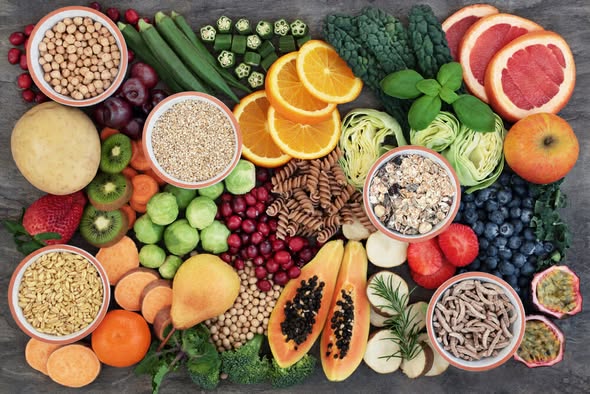
I cut ALL simple sugars, foods including fruits, vegetables, and nuts completely; and starchy foods such as bread, potatoes and rice.

There are a few different types of simple sugars that are a part of the foods the general population eat every day. Some simple sugar examples include:

Fructose is found primarily in fruits like apples and pears, but also in some vegetables like onions and red peppers, as well as in honey, beetroot, and sugarcane.

Galactose is mainly found in milk as part of the sugar lactose.

Glucose comes from foods like honey and dried fruits, but your body can also make glucose by breaking down other carbohydrates.

Lactose is a disaccharide made up of galactose and glucose. It’s found in dairy products.

Maltose is a disaccharide made up of two glucose molecules. You can find it in some grain products, like bread, as well as molasses and malted drinks like beer.

Sucrose is a disaccharide made up of glucose and fructose. It’s the kind of sugar that table sugar is, and can also be found in some root vegetables like beetroot and carrots.

It’s generally easier for me to abstain from eating vegetables altogether because I don’t know how I will be affected.
https://badgut.org/information-centre/health-nutrition/intestinal-gas-from-complex-carbohydrates-or-lactose-intolerance

M&S Only…Ingredients Range

You might have guessed, we eat as close to zero carbs as physically possible. We need to purely eat meat for our own health, but we do know that not everybody needs this. Some people feel fantastic just lowering their carbs, while others need to be under that therapeutic Keto level of 20g of total carbs daily.

We are always looking for clean ingredient food, that is convenient to buy when you are on the move, or maybe options for people who feel less confident in the kitchen, or just need something quick for convenience after a long day.

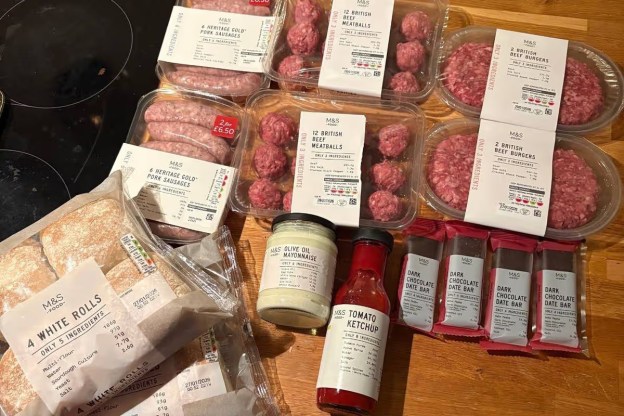
We have just discovered a fabulous range in M&S, it’s called “Only … Ingredients”. It is perfect for people wanting to clean up their diet, without giving up some of their favourite foods, and treats in some cases too. Clearly marked on each of the packaging, is how many ingredients are used in each product. When you turn over to check the ingredients, this tallies up, and as a result, there aren’t nasty additives, fillers and stabilisers that are found in the majority of processed foods, that fill our supermarket shelves.

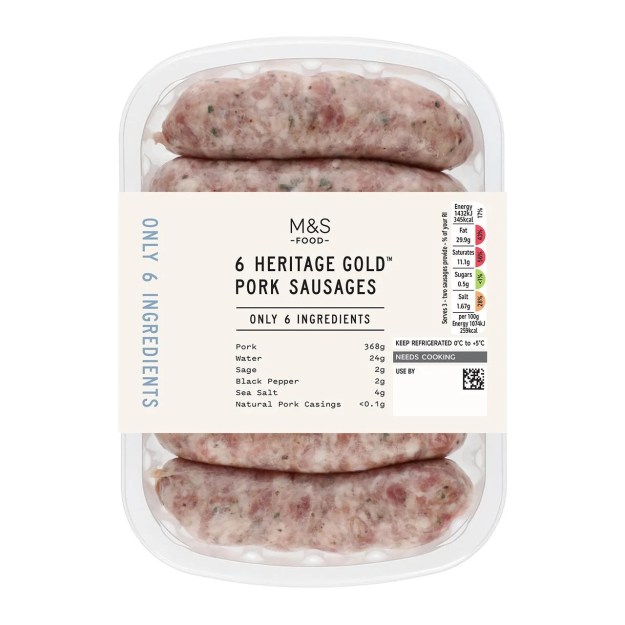
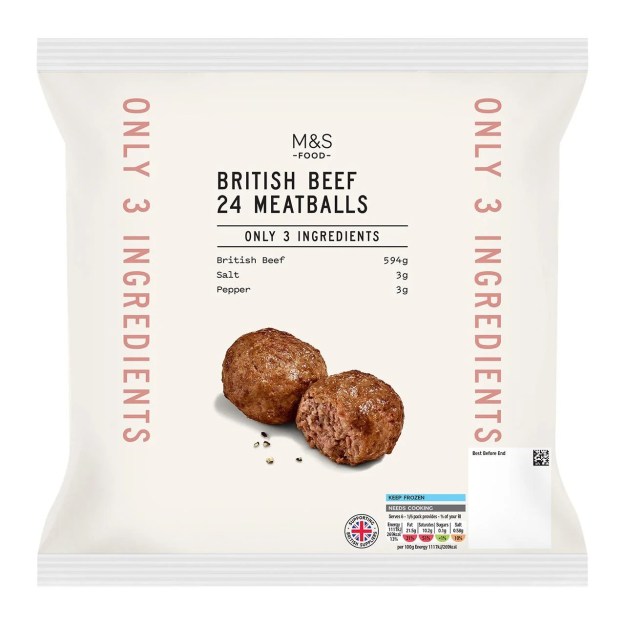
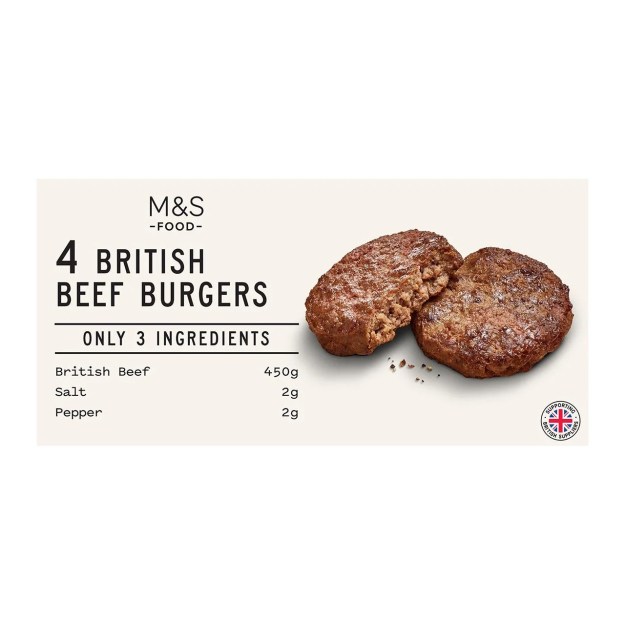
We have bought their Heritage Gold Pork Sausages, Beef Burgers and Beef Meatballs, all from this range. These products are essentially meat, and a very small amount of seasoning. It is reassuring to see all of the meat in these products are from UK farms, as I personally like to support our UK farmers; which also means less air miles too. So it’s a win-win.

Not that we would eat it personally, I did spot they had crisps, bread, even ice cream and chocolate available, all with minimal very clean ingredients. So if you are genuinely wanting to take the nasty ingredients out of your food and body, this range is a great place to start.

Not that we would eat it personally, I did spot they had crisps, bread, even ice cream and chocolate available, all with minimal very clean ingredients. So if you are genuinely wanting to take the nasty ingredients out of your food and body, this range is a great place to start.

What does breakfast mean to you?

Breakfast very simply means the first meal after you have fasted, when we break our fast. You might be thinking, “I don’t fast”, but we all do, to a greater or lesser degree. We all fast when we sleep, which hopefully for most of us will be 6/8 hours, depending on what our individual bodies need. If you eat your last meal at 6pm, and do not consume any food or drink that contains calories until 8am next morning, you will have fasted for 14 hours. Which is classed as IF, an intermittent fast.

Our bodies understand that we will naturally fast overnight, the dawn phenomenon is activated each morning to help us prepare for the day.

Our blood pressure rises a little, to help us to not feel dizzy when we stand up, after lying down for hours overnight. Our blood glucose levels increase marginally, to give us energy; this is why it is inadvisable for diabetics to use the pinprick test to check their glucose levels in the morning, as it will give a false high. For those of us who don’t eat carbs, the liver will not have stored sugar to release. So it will activate gluconeogenesis (production of new sugar made from naturally occurring amino acids) to give our bodies the energy boost.

I used to eat cereals or toast for breakfast, maybe even crumpets if I felt like a real treat. Which I now understand is high in carbs, and therefore sugar. When our body consumes over a teaspoon of sugar, just 4 grams, our pancreas needs to send insulin to stop the blood having too much sugar circulating. Eating carbs too early in the day, when we already have a naturally occurring rise in blood glucose, puts extra strain on the pancreas.

When I first started Keto, I changed to having bacon and eggs for breakfast. Very quickly, once I became more sensitive to ghrelin, the hunger hormone, I found I didn’t need breakfast, as I genuinely wasn’t hungry. My body can then carry on fasting a little longer, and can utilise the benefits of autophagy.

Click here to read about autophagy.

As ever, the above is not medical advice, just what I have researched and learned from my own experiences over the last six years.

The effect of highly processed foods, on our hormones and weight

A hundred years ago, our great grandparents ate foods that were farmed, or grown in the fields. Now, sadly, the majority of the foods available in the supermarket, are produced in factories, highly processed and made using ingredients that would have been unheard of a few generations ago. I would argue that our relatives were far healthier too.

The trend for the last 40 years plus has been for low fat foods. When the fat is removed, so much of the flavour disappears too, so sugar or sweeteners are added to help with the flavour; but this still can be classified as low fat. Which of course is good for us, isn’t it?

The general consensus would say that there is nothing wrong with sweeteners, that they are zero calories, so what is the issue?

Think about what happens to your body when you eat something sweet, this includes sweeteners. Your tongue registers that sweet taste, and then your pancreas is signalled to produce insulin to process that sugar, to try to keep our blood glucose level stable.

But sweeteners aren’t sugar, so they do not put up our blood glucose, this insulin spike is not needed by the body, but it still occurs. This is just one of the ways our body becomes insulin resistant. Insulin insensitivity is one of the many markers of metabolic syndrome. Below is a list of ingredients copied from a supermarket own brand sweetener. Apart from the issues relating to metabolic dysfunction, I now believe that eating anything that was created in a laboratory, and the requirement for a chemistry degree to understand what it is, is not good for my body.

INGREDIENTS: Sweeteners (Sodium Cyclamate, Sodium Saccharin), Acidity Regulators (Sodium Bicarbonate, Trisodium Citrate).

Yes, there are no calories, but how are these ingredients impacting on our bodies? How are they affecting our hormones such as insulin, cortisol, leptin and ghrelin. (Leptin and ghrelin are the satiety and hunger hormones in our body) So many of us now are desensitised to our own hormone signalling. We struggle to understand when we are truly hungry, and to be able to stop eating when we are full. Between this and what I now understand to be my sugar and processed food addiction, it’s not surprising that I have struggled to be a healthy weight for so many years.

I know now that zero calorie doesn’t mean something is good for me, and high fat doesn’t mean it is bad for me. It is the ingredients, and how they will impact on my hormones that is important. As ever, this is not medical advice in any way, just me sharing what has helped me, as it might help you too.

Jen x

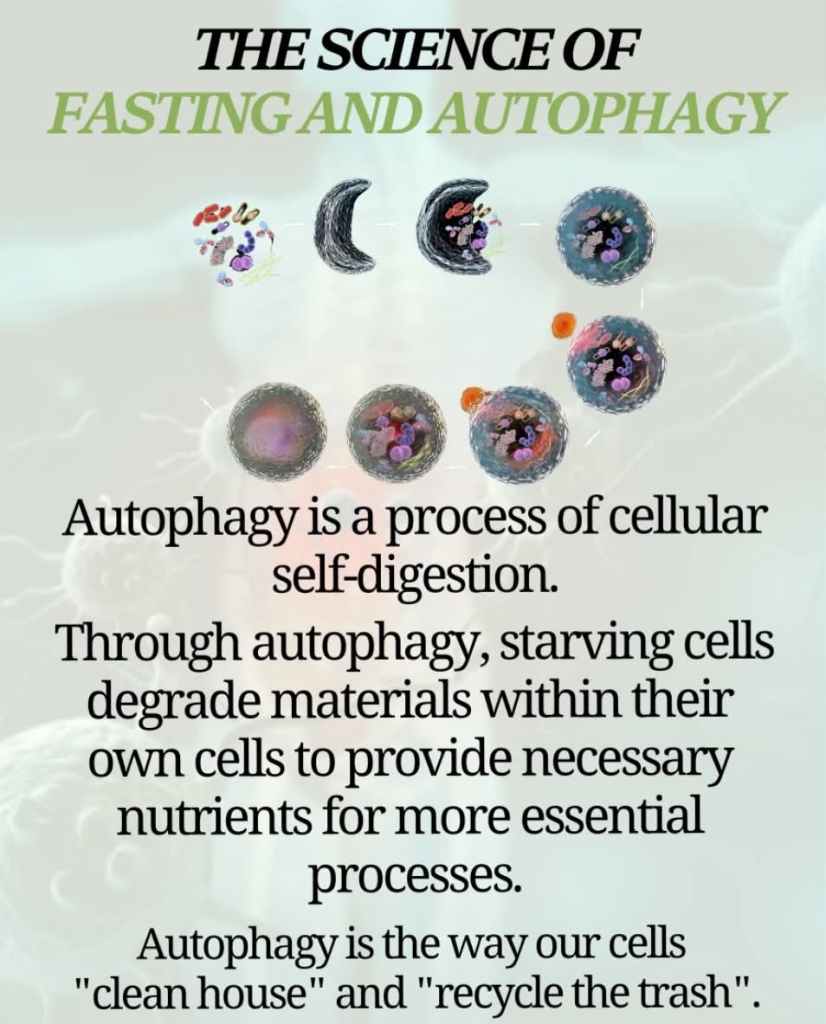
Autophagy

If I was ever tempted to try for Mastermind, my specialist subject would not be The Nobel Prize for Physiology. Having said that, because of my Carnivore lifestyle and fasting, I know a little of the 2016 winner, Yoshinori Ohsumi. He discovered the powerful healing of autophagy, and the wide positive impact it has on the human body.

Autophagy occurs when you have fasted for around 16-24 hours, but when you enter into a prolonged fast, eg over 24 hours, its power increases. Fasting is when we rest our digestive system by not asking it to continuously process food. (The average person now eats 5/6 times a day, snacking between meals counts as eating) It is worth saying that fasting is very different to starvation. When we fast for either religious or health benefits, we are safe, nourished and hydrated.

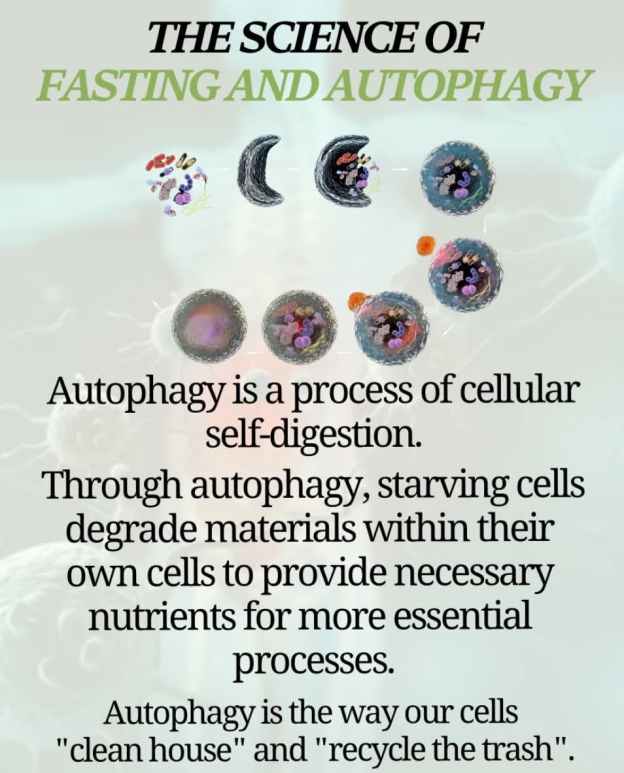
In basic terms, I think of autophagy like giving your house a good deep clean. You don’t just dust off the surfaces, you get down into all the nooks and crannies, and sort out all the junk hiding at the back of the cupboards. That junk either gets taken out as waste, or gets recycled. This is exactly what autophagy does.

Modern life, aging and ill health causes damage to the cells inside our bodies, these damaged cells can cause us major health issues. It is these cells, along with damaged proteins and mitochondria that are broken down during autophagy. It is this issue that some people become quite alarmed by, thinking our body will start breaking down its own muscle and healthy tissue, but it’s not the case. The body breaks down the damaged cells, which it recycles into healthy new cells and proteins. This is hugely protective from long term chronic and progressive health conditions. Fasting has been used safely for thousands of years, both therapeutically and religiously, but modern day consensus tells us that it is bad for us to not eat. Thankfully, Yoshinori Ohsumi has helped to show the world how incorrect that assumption is.

If you want to look deeper into mitochondria, have a look for Dr Isabella Cooper; and for further information on fasting, Dr Jason Fung knows all there is to know. Or if you are feeling particularly ready for a challenge, look for the 2016 Nobel Prize winning study.