Tag Archives: Carnivore lifestyle

Statins vs Cholesterol

Cholesterol is essential, not a toxin.
Cholesterol is necessary for cell membranes, steroid hormones and bile acids. Carnivore advocates argue that a high cholesterol reading should not automatically be treated as a disease. The important fact is that the body needs cholesterol
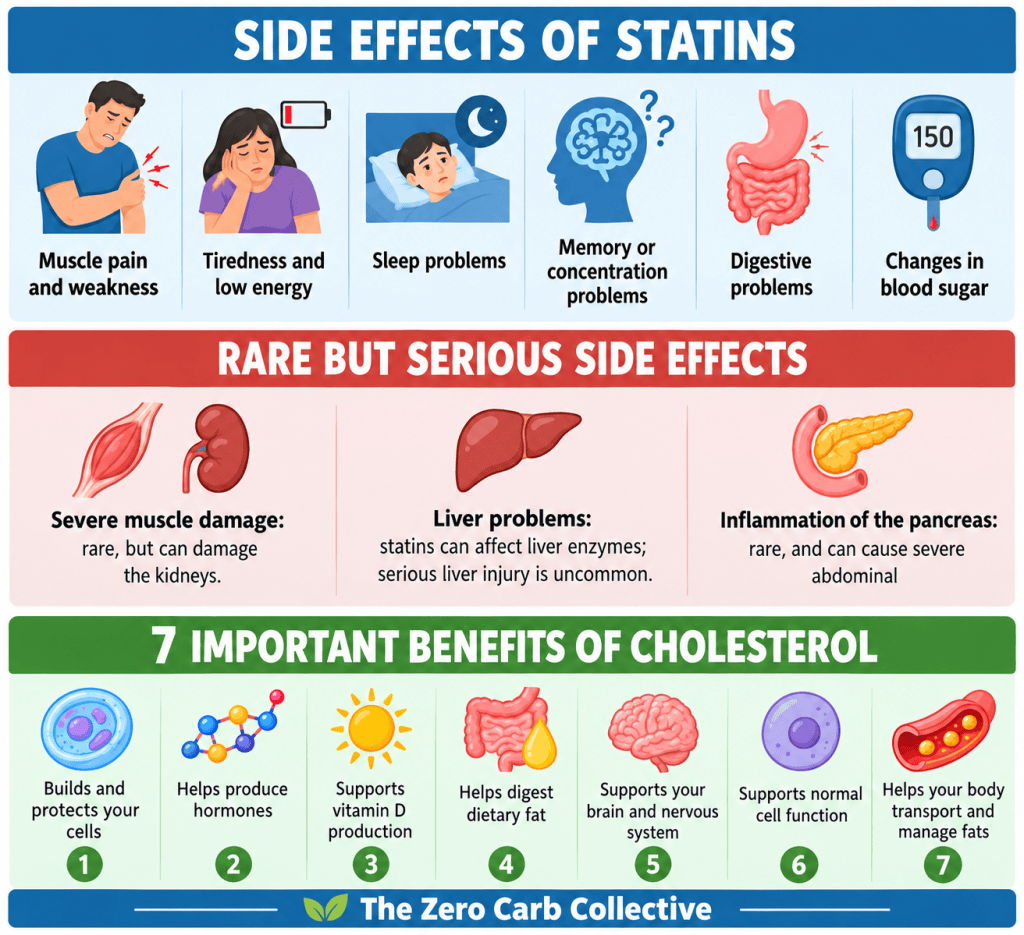
SIDE EFFECTS OF STATINS

Muscle pain and weakness: Aches, cramps, tenderness or unusual muscle weakness. Most muscle symptoms are not serious, but unexplained symptoms should be checked.

Tiredness and low energy: Some people report feeling unusually tired or physically weaker than normal.

Sleep problems: Difficulty sleeping or changes in sleep may occur with some statins.

Memory or concentration problems: Some people report forgetfulness or confusion. However, research has not established that statins cause most of these reported symptoms.

Digestive problems: Nausea, constipation, diarrhoea, indigestion, wind or stomach discomfort.

Changes in blood sugar: Statins can cause a small increase in blood sugar and slightly increase the risk of developing type 2 diabetes in some people.

RARE BUT SERIOUS SIDE EFFECTS

Severe muscle damage: rare, but can damage the kidneys.

Liver problems: statins can affect liver enzymes; serious liver injury is uncommon.

Inflammation of the pancreas: rare, and can cause severe abdominal

Cholesterol is essential for human life.

Cholesterol is essential for human life. Your body needs it to build cells, produce important hormones, make vitamin D and help digest fats. It isn’t simply a harmful substance that we should try to eliminate.

7 important benefits of cholesterol

Builds and protects your cells: Cholesterol is a key component of your cell membranes. It helps maintain their structure, stability and flexibility so cells can function properly.

Helps produce hormones: Your body uses cholesterol to make steroid hormones, including testosterone, oestrogen, progesterone and cortisol.

Supports vitamin D production: Your skin uses a cholesterol-related substance to produce vitamin D when exposed to suitable ultraviolet B (UVB) sunlight.

Helps digest dietary fat: Your liver uses cholesterol to make bile acids, which help break down and absorb fats and fat-soluble vitamins A, D, E and K.

Supports your brain and nervous system: Cholesterol is important for nerve-cell membranes, synapses and the myelin sheaths that insulate nerve fibres. Most cholesterol in the brain is made locally because blood cholesterol does not readily cross the blood–brain barrier.

Supports normal cell function: Cholesterol helps cells maintain their membranes and organise the proteins involved in cell signalling and other essential processes.

Helps your body transport and manage fats: Cholesterol travels around your bloodstream in lipoproteins, which also carry triglycerides and other fats to and from tissues.

My Final Thoughts: There is no need to take statins but if you personally need one depends on your cardiovascular risk, medical history and the likely absolute benefit—not simply on having a high cholesterol result.
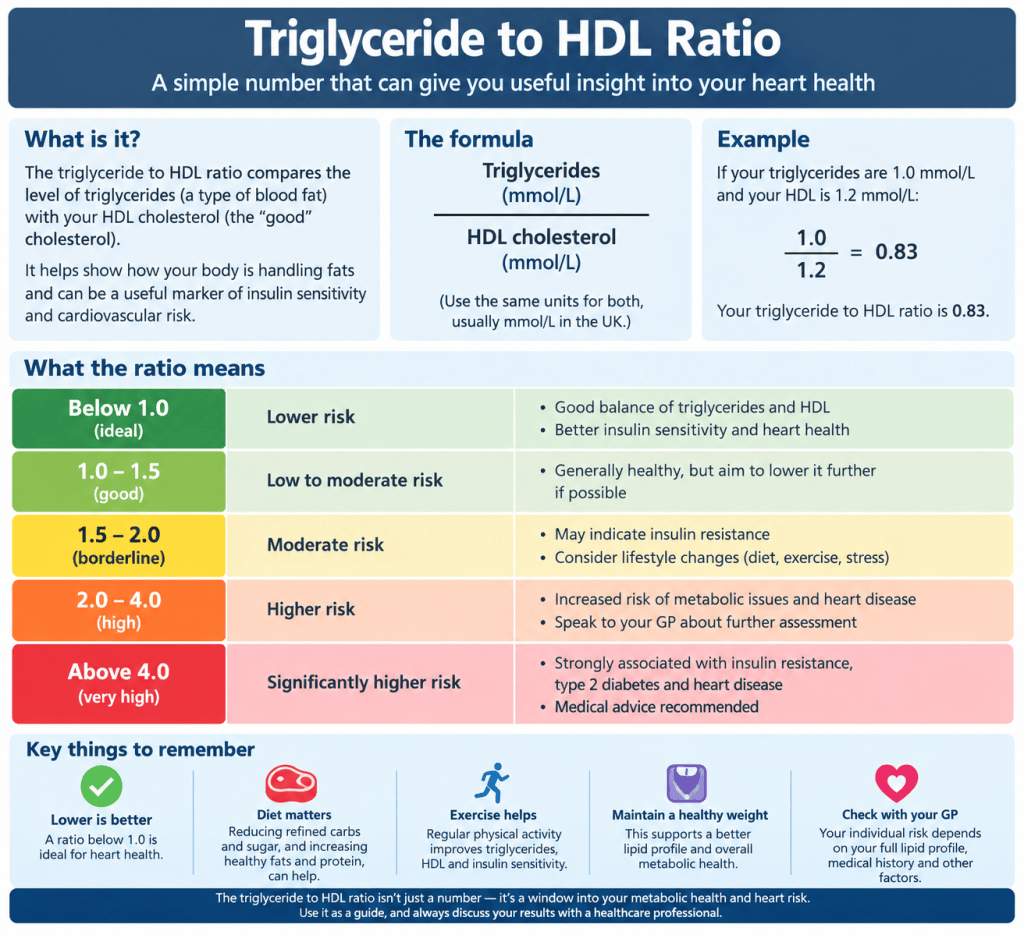
LDL is not bad, your HDL and Triglycerides ratio is more telling. Also your CRP (inflammatory marker) and HBA1C are really important to look at, as they, and your waist to height ratio, are really important measures of good metabolic health.
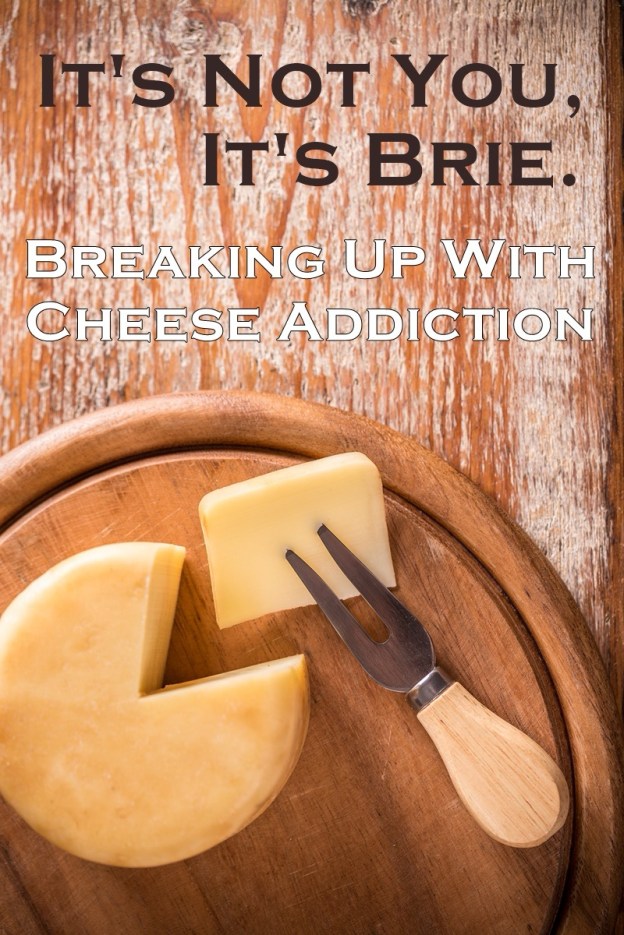
Cheese Addiction

Cheese!!!

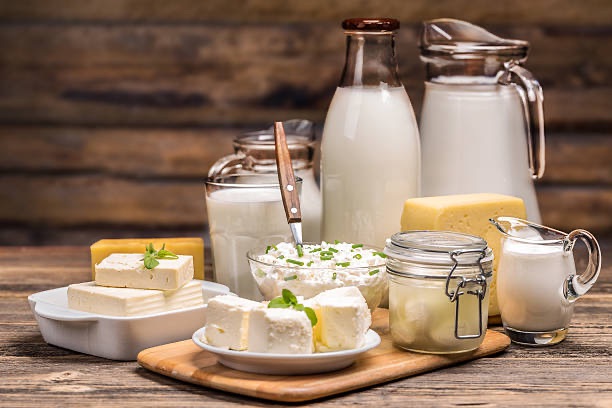
Full fat dairy, cheese in particular, is regularly eaten by people in their Keto and Carnivore lifestyles; but there are many others who steer clear completely, or eat it in moderation.

When we first started Keto, then migrated to Carni, we used to eat cheese regularly, daily probably. I have always loved cheese, and would very often find myself heading to the fridge, even when I wasn’t hungry. At that point, I was happy with that, as milk is from a cow, sheep or goat, so therefore it was “allowed” within our chosen lifestyle.

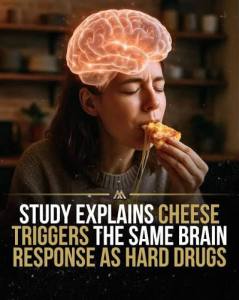
What I wasn’t considering was the reason that drove this behaviour. I knew I liked cheese, a lot, but I had no idea of casein, and its impact on my body and mind. Casein is naturally occurring in animal milk, and constitutes 80% of the protein found within milk. It is natural, not an additive. When the cheese we eat is digested, the casein breaks down into casomorphins. It is these casomorphins that trigger opioid receptors in the brain, which means they are mildly addictive. When I learned this, my intense love of cheese suddenly made so much more sense.

I have talked before of my fairly recent understanding of my own food addiction, specifically sugar and processed foods. So I know I have the capacity to find foods addictive, and have managed to remove the sugars which kept that part of my brain constantly firing, searching for sugar. Now I find that cheese was having a similar, but lesser, impact on me.

This is why our attitude to cheese is different now. We still eat it, but I eat it intentionally, not when I’m feeling bored, or when my brain tells me I “need” it. I have it as part of a meal, maybe once a week, or less frequently. We most often use cheese in a Carnivore crustless quiche, which is great to have cold on days when you are travelling; as it can save you from having a fast food drive through when the hunger pangs kick in. You can find our recipe here.

As ever, none of this is any advice, it is just what I have learned from my own experiences and research.

Jen x

Chicken Carnivore Bread Bun

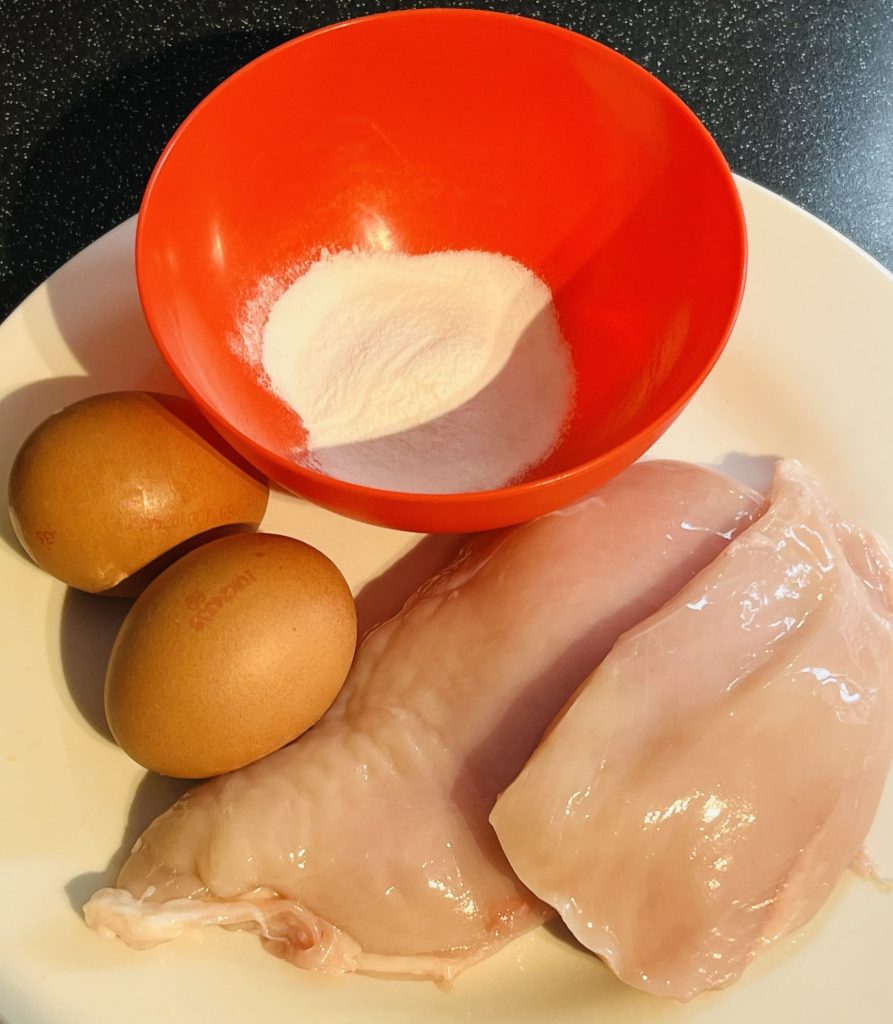
Ingredients:

  • 300 g Raw Chicken Breast
  • 2 Large Eggs
  • 2 tsp Baking Powder

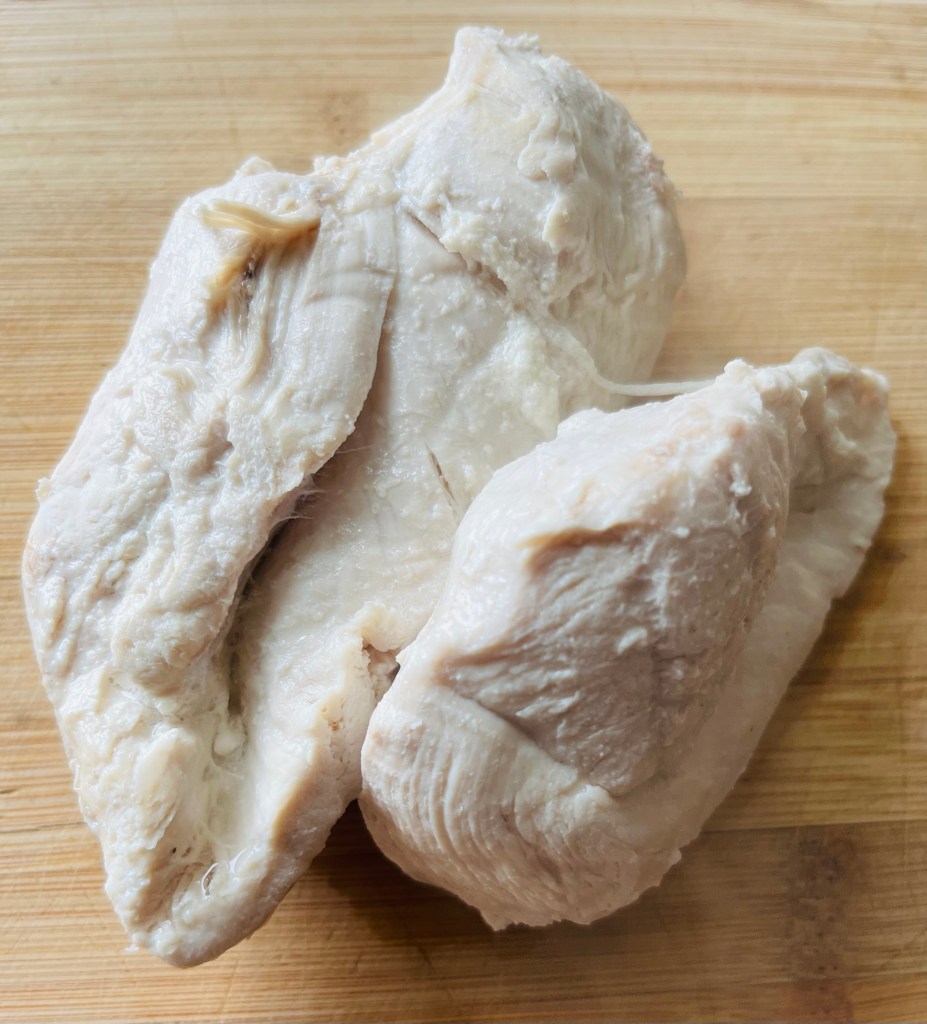
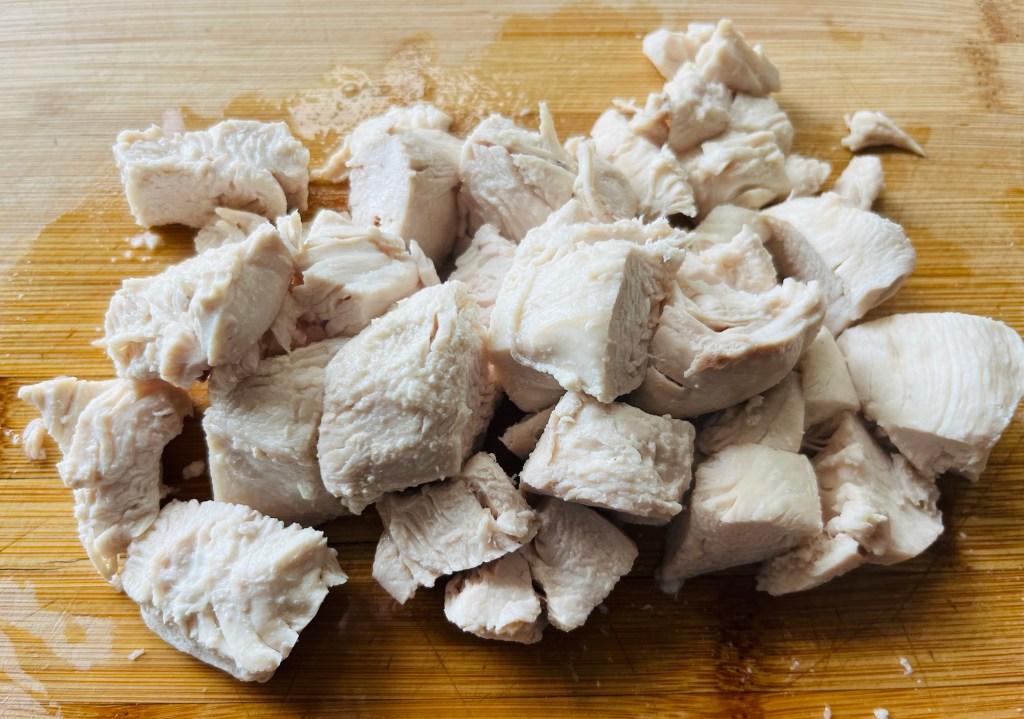
Boil the chicken for 15 minutes. Put the other 2 ingredients in to a food processor. Allow the chicken breasts, once cooked to cool down so you can handle it. Roughly chop the chicken before adding it to the processor.

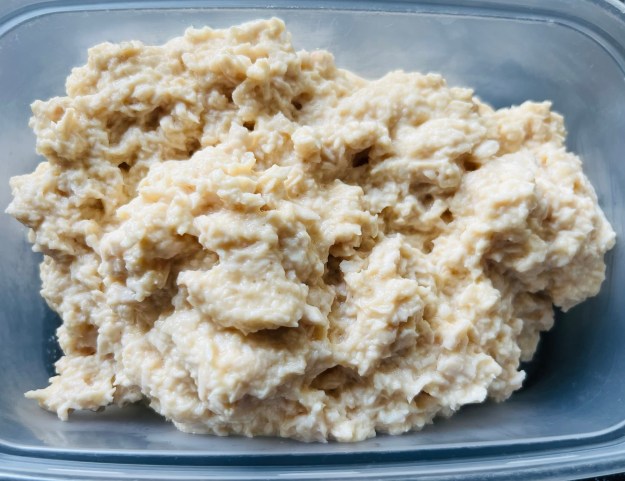
Once you have processed the mixture, it will look like porridge, Jen says it looks like something else, but I won’t say what.

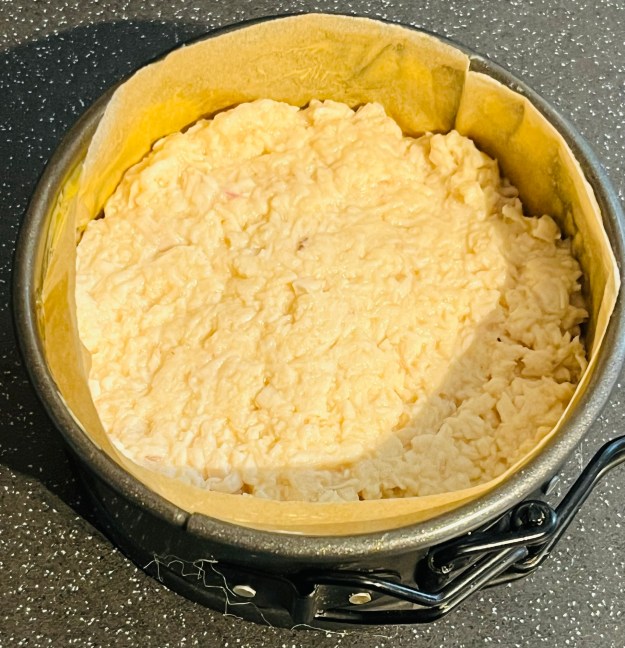
I’m making two buns, so you measure out approximately 150g in each tin. I’ve used a 4 inch cake tin but you could use a ramekin.

You then set an air fryer to 160°C and bake for 15 minutes.

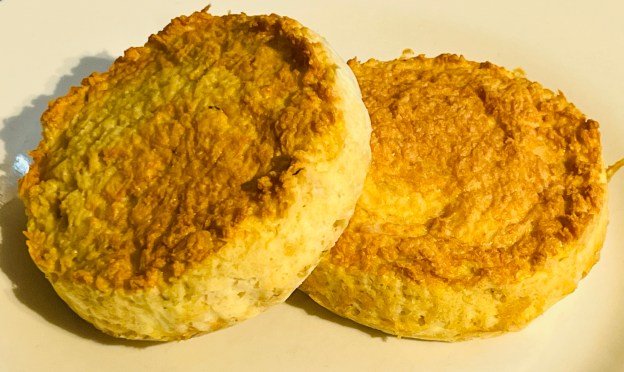
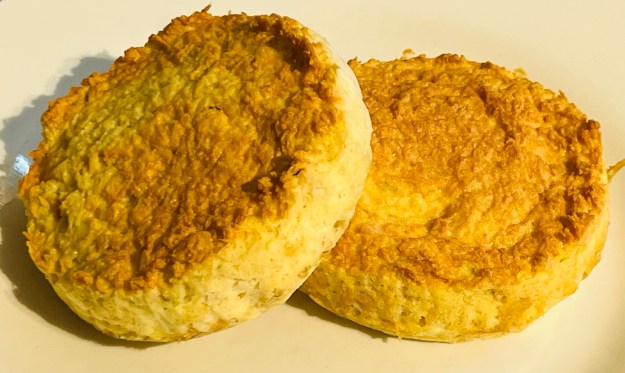
After cooling in the tin for 10 minutes, here’s the finished product……..

Bacon & Goats Cheese Crustless Quiche

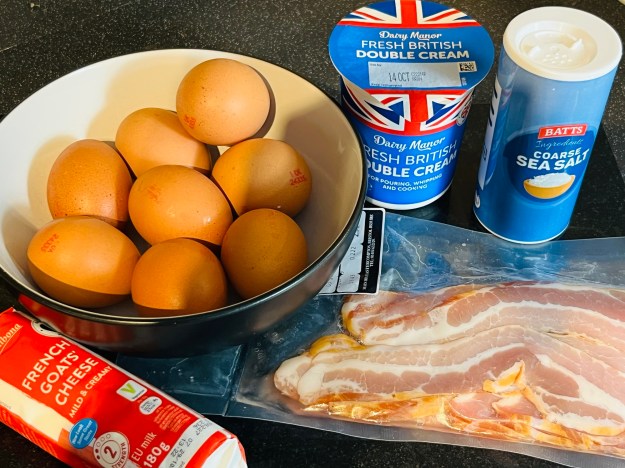
Ingredients

  • 250g of Smoked Bacon
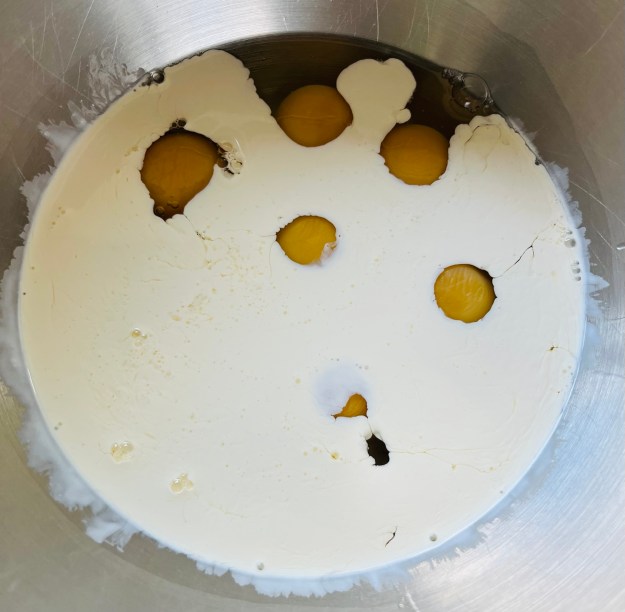
  • 8 Eggs (free range if possible)
  • 120ml Double Cream (not cream substitute: eg Elmlea)
  • ½ tsp course sea salt (not table salt, it contains anti caking agent)
  • 120g Goats Cheese (diced) or cheese of your choice

Method

Preheat the oven to 200c or 180c fan.

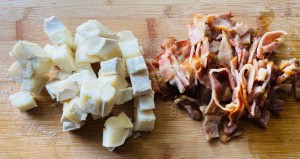
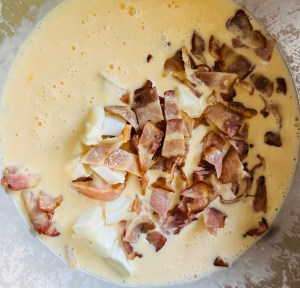
Grill or air fry your bacon. Then cut into small pieces. Then dice your goats cheese.

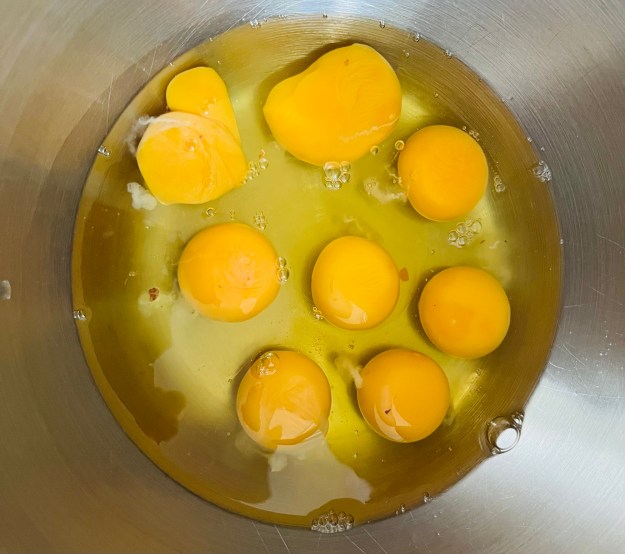
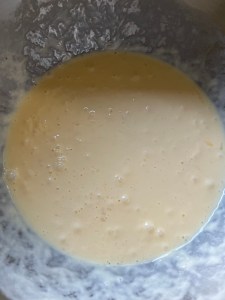
Whisk together the eggs, double cream and salt.

Stir the goat’s cheese and cooked bacon into the egg mixture.

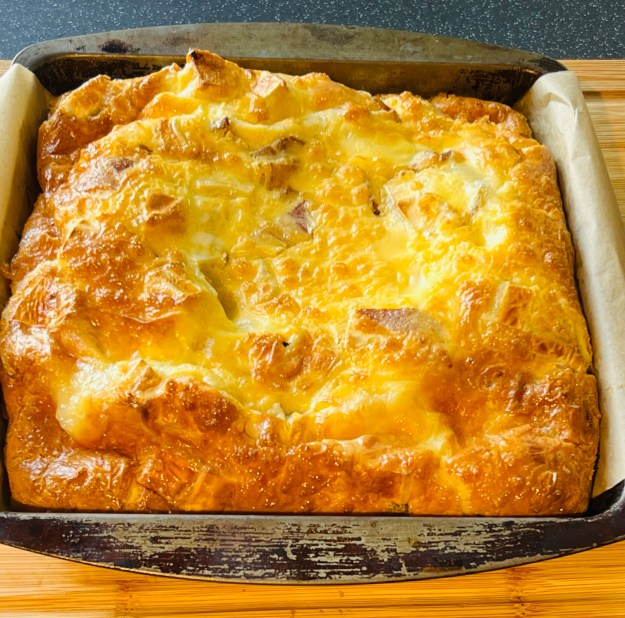
Line an 8 inch square baking tin with baking paper. It’s easier to take out of the tin when baked.

Bake in the oven for 30 minutes or until there is a slight wobble of the quiche.

Allow to cool before cutting, it’s easier.

What Are Oxalates?

Oxalates is a word I hadn’t heard of until I started my Carnivore lifestyle, it is something that I am learning more of as time goes on. Oxalates are present in many foods considered to be healthy, such as spinach, nuts, beans, soy products and dark chocolate. When you consume Oxalate high foods, it is widely accepted that it can be a factor in the formation of kidney stones.

It isn’t this aspect of Oxalates that has popped up on my radar, it is what can happen to our bodies when we stop eating Oxalate dense foods, which I have, as a Carnivore. When you stop consuming them, our bodies start to release the stores that they have been holding on to. If you have had a particularly high intake previously, you can experience what is known as Oxalate dumping. This can cause very varied symptoms. From rashes and skin irritation, to brain fog and burning irritated eyes; I have heard anecdotally that some people have experienced crystals actually coming out of their skin.

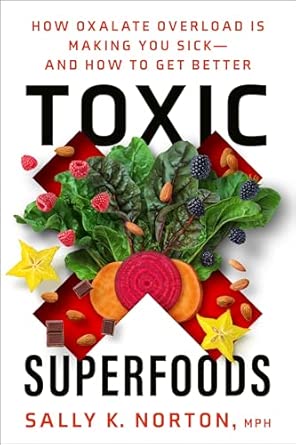
After a lot of reading in this area, I can highly recommend that anyone wanting to learn about the subject, should look for the Queen of Oxalates, as I think of her. Sally K Norton can be easily found on YouTube, and her book Toxic Superfoods is hugely helpful.

Sally is extremely knowledgeable on this subject, and has suffered from debilitating health issues herself, which is how she started her research into this area. So if you start to experience any of these symptoms, and would like to know how to manage them, Sally is the go-to for everything you need to know.