Tag Archives: sugar addiction

What Is A Carbohydrate?

A carbohydrate is one of the three main nutrients found in food, alongside protein and fat.

Carbohydrates are made up of sugar molecules. When you eat them, your digestive system breaks many of them down into glucose (sugar), which your body can use for energy.

There are three main types of carbohydrate:
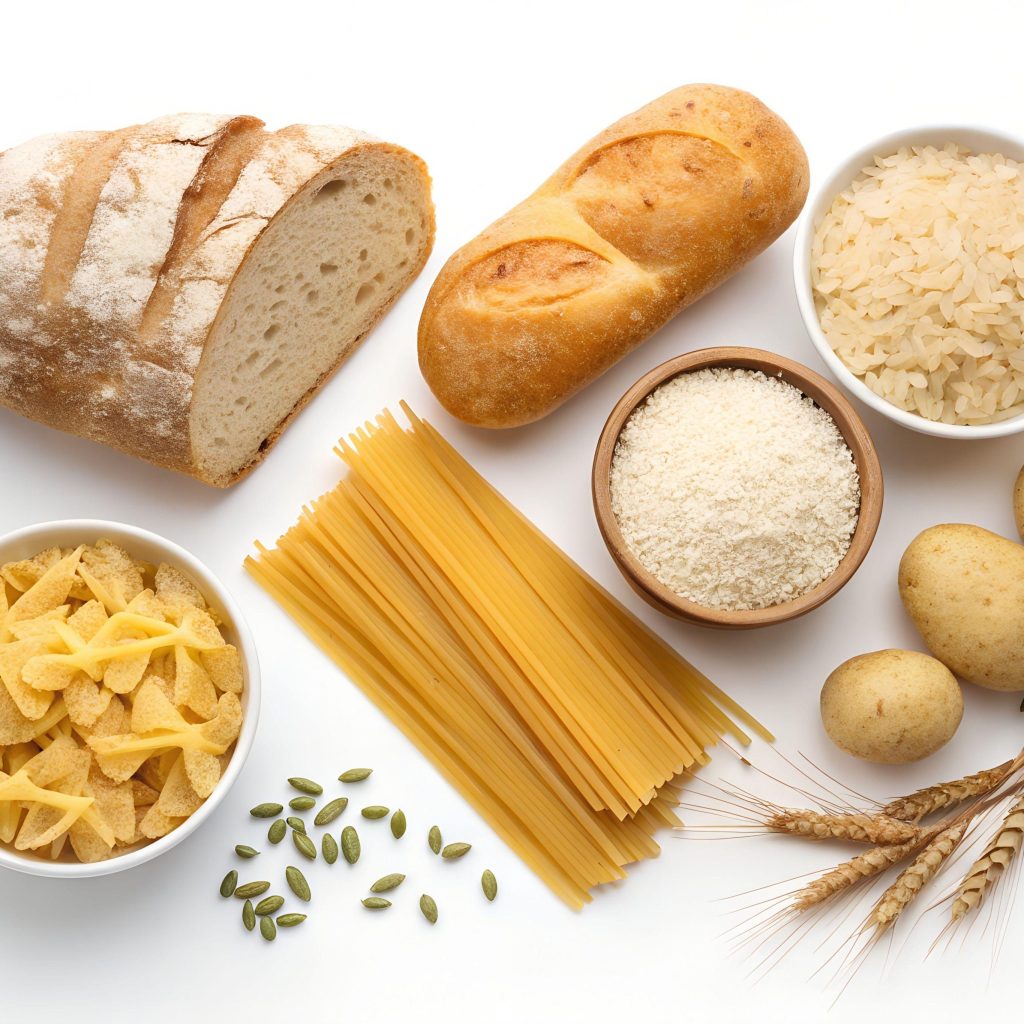
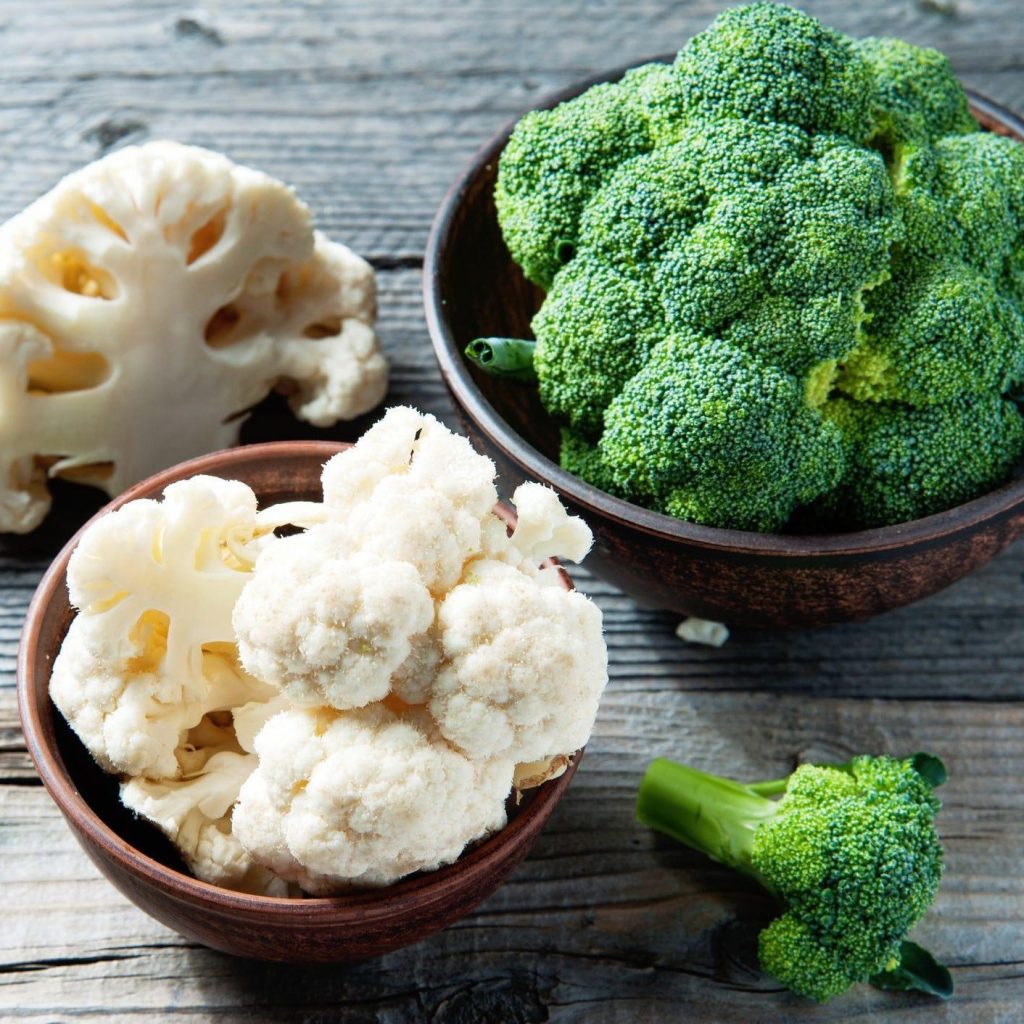
STARCHES
SUGARS
FIBRE

What happens when you eat carbohydrates?

  • Carbohydrates are broken down into glucose.
  • Glucose enters your bloodstream.
  • Your blood sugar rises.
  • Your body releases insulin to help move glucose into cells.
  • Excess energy can be stored for later use.

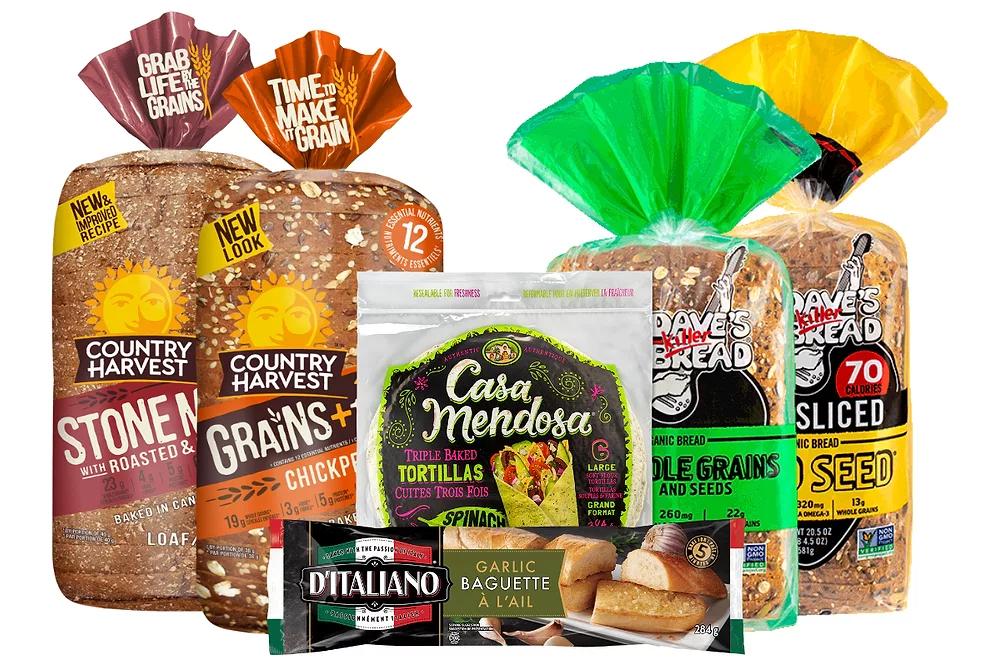
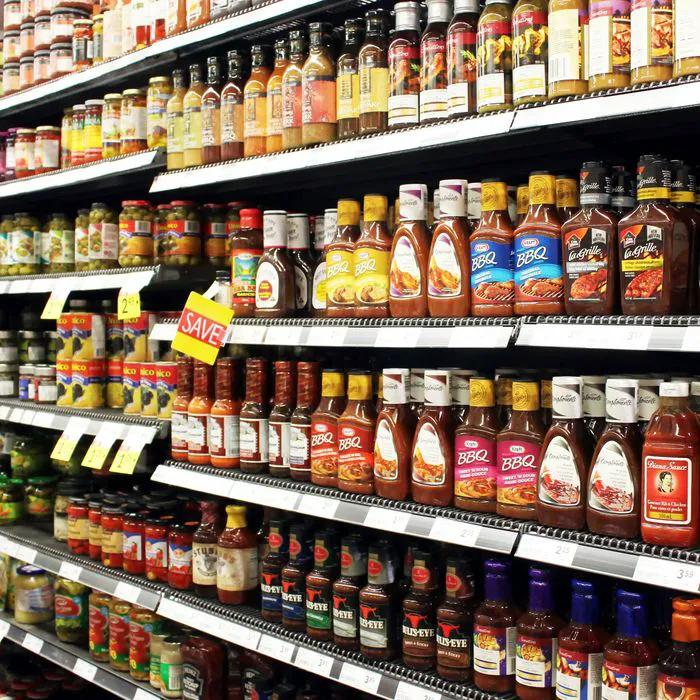
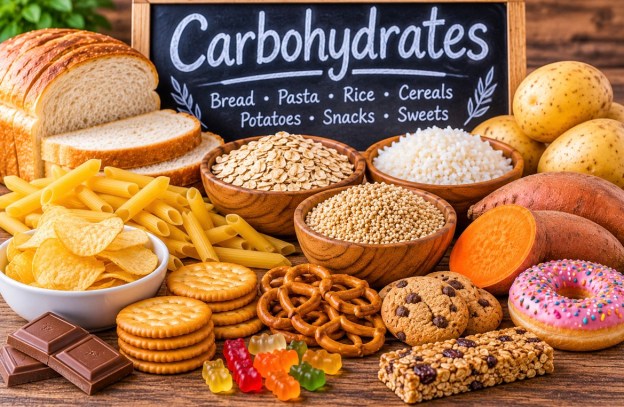
Common processed foods containing carbohydrates

Interesting fact: Your body does not actually need to eat carbohydrates to survive. It can make the glucose it needs through a process called gluconeogenesis.

Your body does, however, need essential fatty acids and essential amino acids from your diet.

What Is Gluconeogenesis?

Gluconeogenesis is the process by which your body makes its own glucose (blood sugar) from sources other than carbohydrates.

Your body can make glucose from three main sources:

  1. Protein: Certain amino acids from the protein you eat, such as beef, eggs and fish.
  2. Glycerol: Released when your body breaks down stored body fat.
  3. Lactate: Produced by muscles and other tissues during normal metabolism.

Where does it happen?

Your body has its own ability to manufacture glucose. This is why humans can survive without eating carbohydrates.

It’s made primarily in your liver, although your kidneys also contribute, particularly during prolonged fasting.

Screenshot

Summary of Carbohydrates / Sugar:

Your body regulates this process according to its needs.

You don’t need to eat sugar to maintain the minimal glucose your body requires.
Carbohydrate Addiction

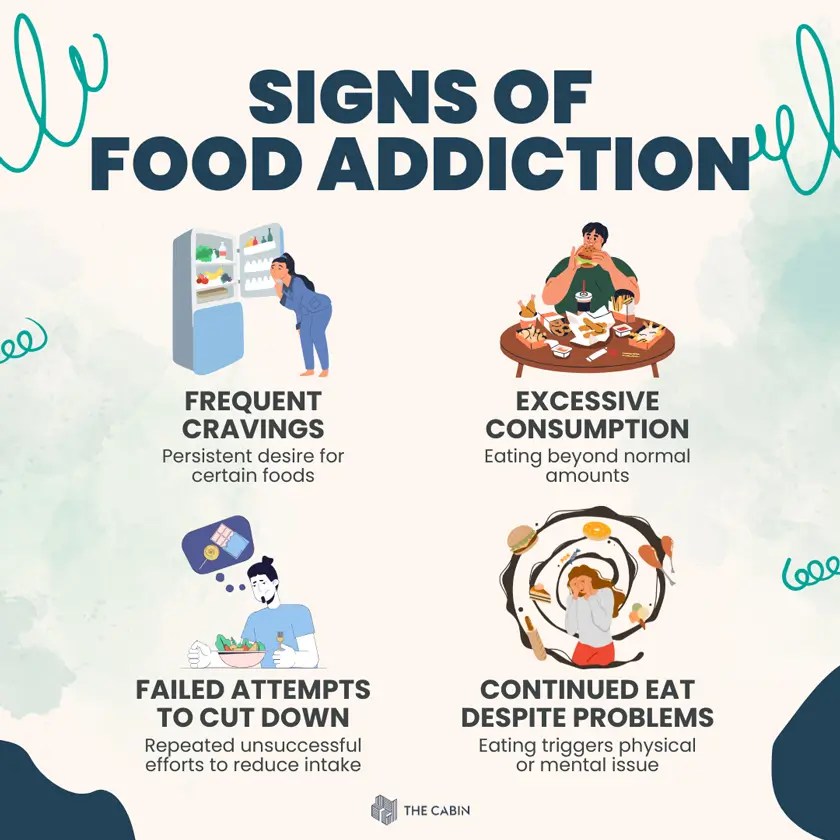
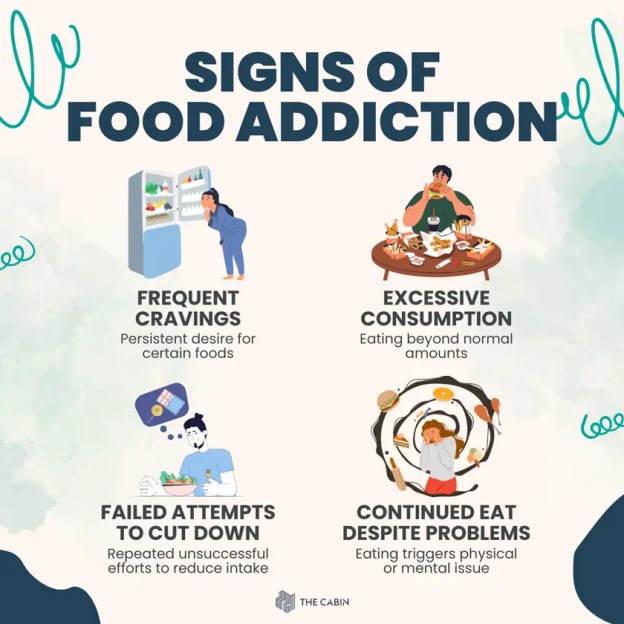
Most of us are aware of drug, alcohol and nicotine addiction, awareness of AA and NA is quite high I imagine. Fewer people know of Overeaters Anonymous, which is focused on helping those with binge eating disorders. How many of us have heard of carb and processed food addiction though? Initially, many would laugh. “Isn’t it just a case of enjoying a well deserved treat at the after a tough day? Or giving ourselves a boost when we are low on energy/feeling unwell” they will say. The difference between those who can have an occasional appropriate treat, and those who can’t, is addiction.

I was chatting to a recovering alcoholic a few years ago, who had just received their 5 year sobriety chip. They told me “One is too many, and a hundred is never enough”. This has stayed with me, but it still took me a few years to be truly honest with myself. This is how my brain is affected by carbs and processed foods. Therefore I AM a carb (sugar) and processed foods addict. It felt strange to say it loud at first, but now I am quite happy and comfortable to talk about it. I hope that it might help others to understand their own relationship with food.

Just as with drug addicts and alcoholics, abstinence is the only option for me; similarly, I am just one bad decision away from firing up my addictive brain again. One bite, one bar of chocolate, one bag of crisps is never enough for me, even if they are family sized sharing bags. This is why I need to be an abstainer, I am physically incapable of moderating. I understand this will be quite shocking to some, but it is my reality. Now I understand why having a few days of treats last Christmas, led me off track until mid March. I am an intelligent woman, but that addiction overrides my logical brain. I knew eating highly processed foods, especially in large volume would cause me huge health problems in the future, but I still couldn’t stop.

This is why I NEED to be a carnivore, free from sugar and carbs.

All of the above are purely my own thoughts and experiences. To read in the area of food, specifically sugar, carb and processed food addiction, look for Dr Jen Unwin, Joan Ifland and Bitten Jonsson. You will find their books available to order, they also have a presence on podcasts and YouTube. All three are incredibly helpful and illuminating.

Jen x