Author Archives: Jen James

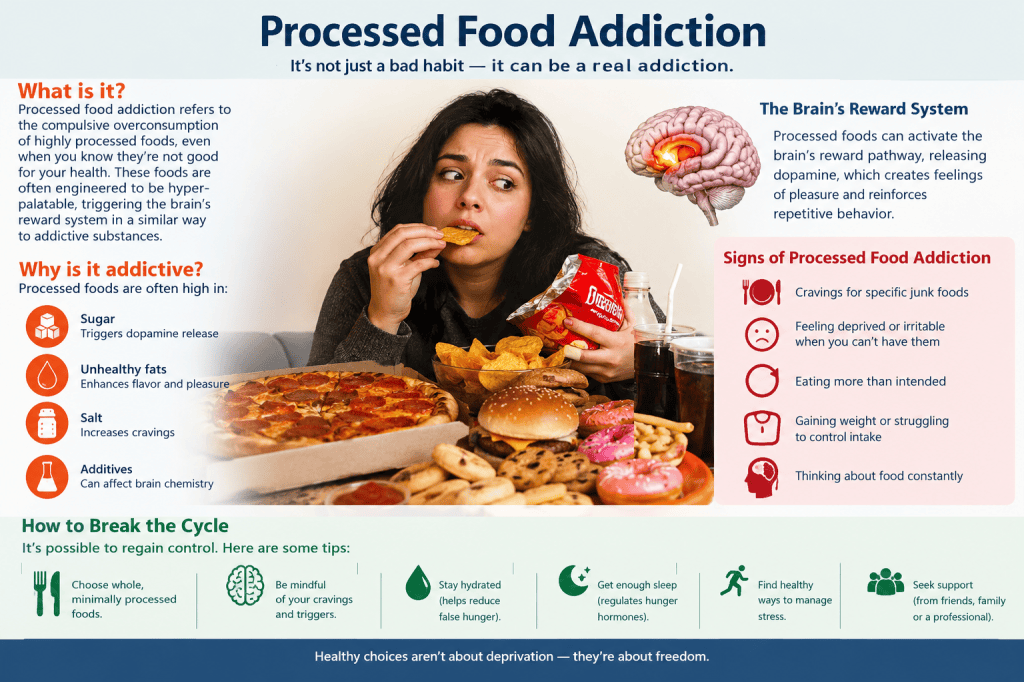
Are You Struggling with Processed Food Addiction.

Signs you might be struggling with it:

  • Strong cravings, even when you’re not physically hungry.
  • Feeling unable to stop once you’ve started eating.
  • Eating more than you intended, sometimes in secret.
  • Repeatedly promising yourself you’ll stop, then returning to the same foods.
  • Using food to cope with stress, boredom, loneliness or difficult emotions.
  • Feeling guilty or ashamed after eating.
  • Thinking about food frequently or feeling preoccupied with your next snack.
  • Alternating between restricting foods and then overeating them.

How to crowd out processed-food cravings on a carnivore diet

The most useful approach is to build satisfying eating habits that make processed foods less appealing, rather than relying on willpower or trying to fight every craving.

Eat enough at mealtimes

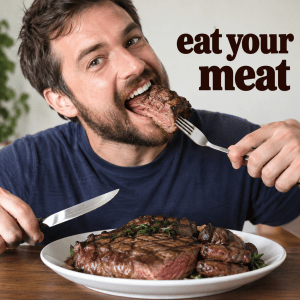
Have satisfying portions of meat, fish and eggs. Consistently under-eating can leave you hungry and intensify cravings later in the day.

Prioritise variety within your low carbohydrate lifestyle.

Rotate beef, lamb, poultry, fish and eggs. Include oily fish for omega-3 fats. You don’t need to force yourself to eat excessive amounts of fat or butter to suppress cravings.

Keep cooked meat and boiled eggs ready to eat. This helps when you’re hungry and tempted by takeaway food or packaged snacks.
What to do when a powerful craving hits

Try this five-step process:

  1. Pause for a moment. Notice the craving without judging yourself.
  2. Check for hunger. Ask when you last ate and whether your meals have been sufficient. Are you just bored?
  3. Eat if you’re hungry. Don’t use strict rules to override genuine hunger.
  4. Change your surroundings. Distraction can help, take a short walk or move to another room.
  5. Observe the trigger. Note whether the craving was linked to stress, fatigue, a particular time or seeing food.

The goal is to weaken the automatic link between a trigger and eating. If you eat carbohydrates, you haven’t failed; return to your usual routine at the next meal.

Cheese Addiction

Cheese!!!

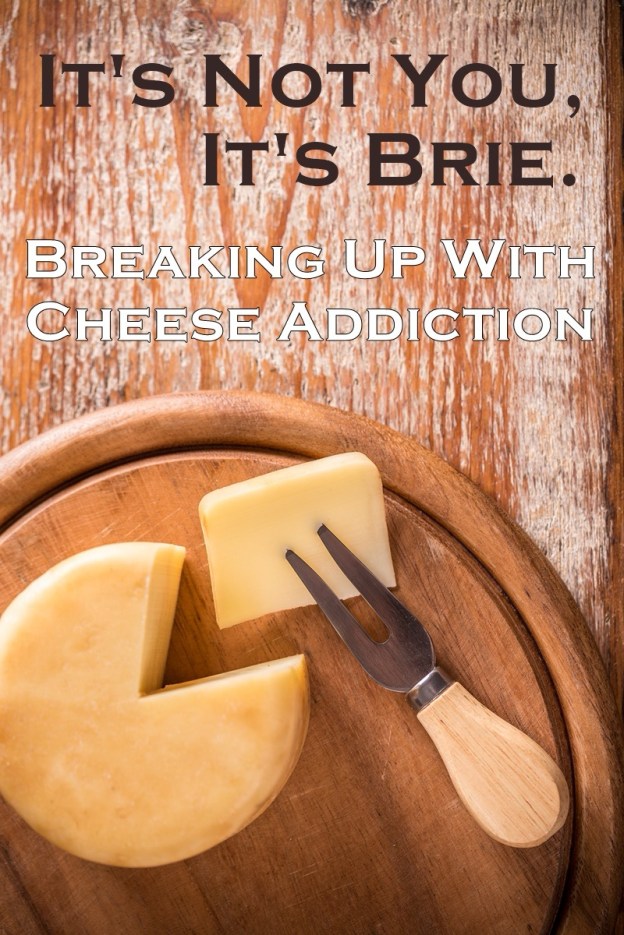
Full fat dairy, cheese in particular, is regularly eaten by people in their Keto and Carnivore lifestyles; but there are many others who steer clear completely, or eat it in moderation.

When we first started Keto, then migrated to Carni, we used to eat cheese regularly, daily probably. I have always loved cheese, and would very often find myself heading to the fridge, even when I wasn’t hungry. At that point, I was happy with that, as milk is from a cow, sheep or goat, so therefore it was “allowed” within our chosen lifestyle.

What I wasn’t considering was the reason that drove this behaviour. I knew I liked cheese, a lot, but I had no idea of casein, and its impact on my body and mind. Casein is naturally occurring in animal milk, and constitutes 80% of the protein found within milk. It is natural, not an additive. When the cheese we eat is digested, the casein breaks down into casomorphins. It is these casomorphins that trigger opioid receptors in the brain, which means they are mildly addictive. When I learned this, my intense love of cheese suddenly made so much more sense.

I have talked before of my fairly recent understanding of my own food addiction, specifically sugar and processed foods. So I know I have the capacity to find foods addictive, and have managed to remove the sugars which kept that part of my brain constantly firing, searching for sugar. Now I find that cheese was having a similar, but lesser, impact on me.

This is why our attitude to cheese is different now. We still eat it, but I eat it intentionally, not when I’m feeling bored, or when my brain tells me I “need” it. I have it as part of a meal, maybe once a week, or less frequently. We most often use cheese in a Carnivore crustless quiche, which is great to have cold on days when you are travelling; as it can save you from having a fast food drive through when the hunger pangs kick in. You can find our recipe here.

As ever, none of this is any advice, it is just what I have learned from my own experiences and research.

Jen x

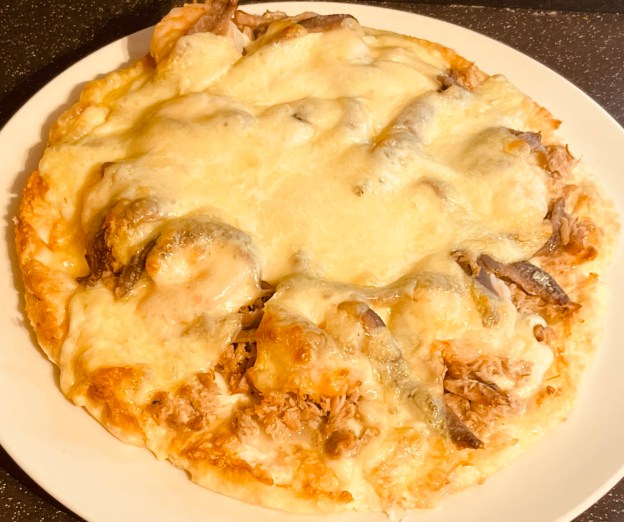
Carnivore Pizza

Carnivore Pizza.

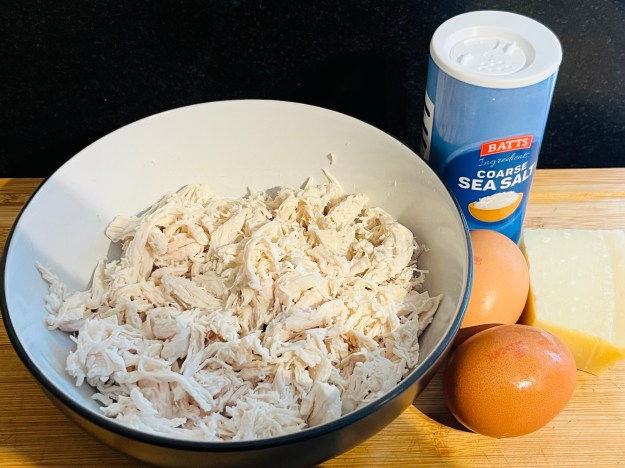
Ingredients:

  • 1lb Chicken Breast
  • 50g Grated Parmesan
  • ½ tsp salt
  • 2 eggs

First up you will need to shred your chicken breast. You can buy tinned chicken or you can use your raw chicken breast, as I did.

How to Cook Shredded Chicken

  • Put boneless, skinless chicken breasts in a pan or pot.
  • Add chicken broth or water to cover the meat.
  • Season with salt and pepper.
  • Bring to a low simmer over medium heat, then turn the heat to low. Do not let it boil hard, or the chicken will get tough.
  • Cook for 10 to 12 minutes until the internal temperature reaches 75°C
  • Let the chicken rest for 5 to 10 minutes so it stays juicy
  • Two Forks: Hold the warm chicken on a board with one fork and pull the meat apart with the other.

Now we can move on with the recipe:

Method

  1. Preheat the oven to 200c or 180c fan. Line a baking tin with parchment paper.
  2. Stir together in a bowl the shredded chicken, grated Parmesan cheese, eggs and sea salt.
  3. Spread the chicken crust pizza “dough” into a baking pan, as thinly as possible (about 1/4 in thick). 
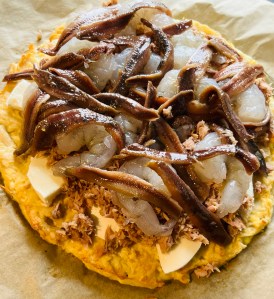
Pre-cooked pizza base
  1. Place in the oven.
  2. Bake for 15 to 20 minutes, until firm and golden on the edges.
Baked Pizza Base
  1. Let the crust rest for 10 minutes, which helps “seal” it.

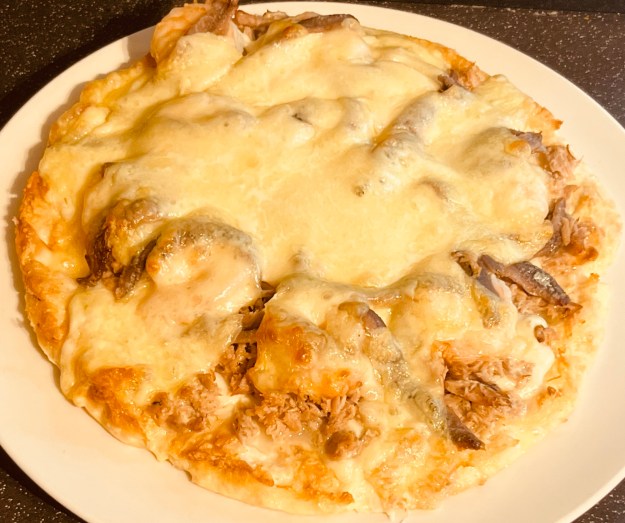
Return to the oven for 10 to 15 minutes, until the cheese is melted. If desired, place under a grill for a couple of minutes to brown the cheese more.

Carbohydrate Intolerance

Carbohydrate intolerance causes digestive distress and metabolic fatigue when your body struggles to break down sugars or process blood sugar spikes.

Digestive Symptoms

Persistent bloating and abdominal pain:Gas builds up when gut bacteria ferment undigested carbs in your large intestine.

Excessive gas and gurgling sounds: Loud gut noises (borborygmi) and frequent flatulence often occur shortly after eating.

Common Symptoms

Digestive: Bloating, excessive gas, abdominal cramps, and diarrhoea.

Systemic inflammation from metabolic carb intolerance can manifest as joint stiffness, fatigue, skin flare-ups, and brain fog.

There is a family of veggies called nightshades that are very well known to cause inflammation and arthritis. Those veggies are potato, tomato, aubergine and all forms of peppers. Tomatoes give me psoriasis on my cheeks and scalp and my fingers and wrists achy.

I cut ALL simple sugars, foods including fruits, vegetables, and nuts completely; and starchy foods such as bread, potatoes and rice.

There are a few different types of simple sugars that are a part of the foods the general population eat every day. Some simple sugar examples include:

Fructose is found primarily in fruits like apples and pears, but also in some vegetables like onions and red peppers, as well as in honey, beetroot, and sugarcane.

Galactose is mainly found in milk as part of the sugar lactose.

Glucose comes from foods like honey and dried fruits, but your body can also make glucose by breaking down other carbohydrates.

Lactose is a disaccharide made up of galactose and glucose. It’s found in dairy products.

Maltose is a disaccharide made up of two glucose molecules. You can find it in some grain products, like bread, as well as molasses and malted drinks like beer.

Sucrose is a disaccharide made up of glucose and fructose. It’s the kind of sugar that table sugar is, and can also be found in some root vegetables like beetroot and carrots.

It’s generally easier for me to abstain from eating vegetables altogether because I don’t know how I will be affected.

https://badgut.org/information-centre/health-nutrition/intestinal-gas-from-complex-carbohydrates-or-lactose-intolerance

M&S Only…Ingredients Range

You might have guessed, we eat as close to zero carbs as physically possible. We need to purely eat meat for our own health, but we do know that not everybody needs this. Some people feel fantastic just lowering their carbs, while others need to be under that therapeutic Keto level of 20g of total carbs daily.

We are always looking for clean ingredient food, that is convenient to buy when you are on the move, or maybe options for people who feel less confident in the kitchen, or just need something quick for convenience after a long day.

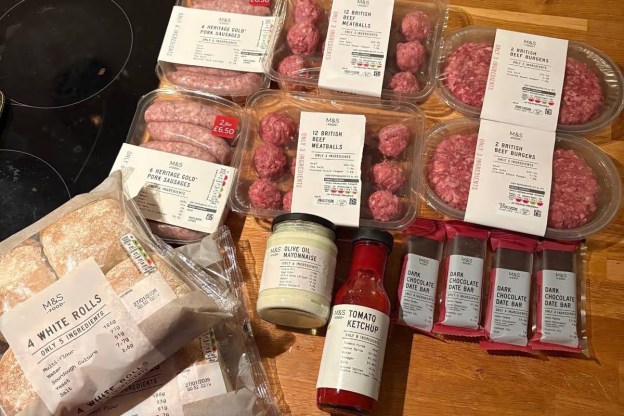
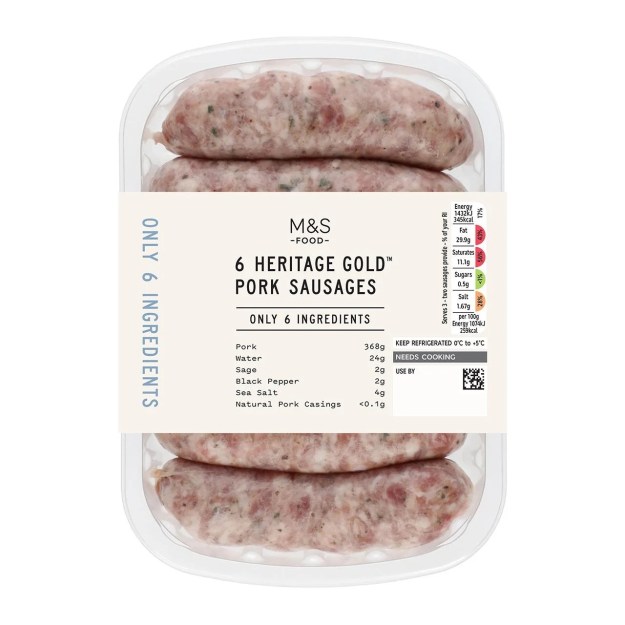
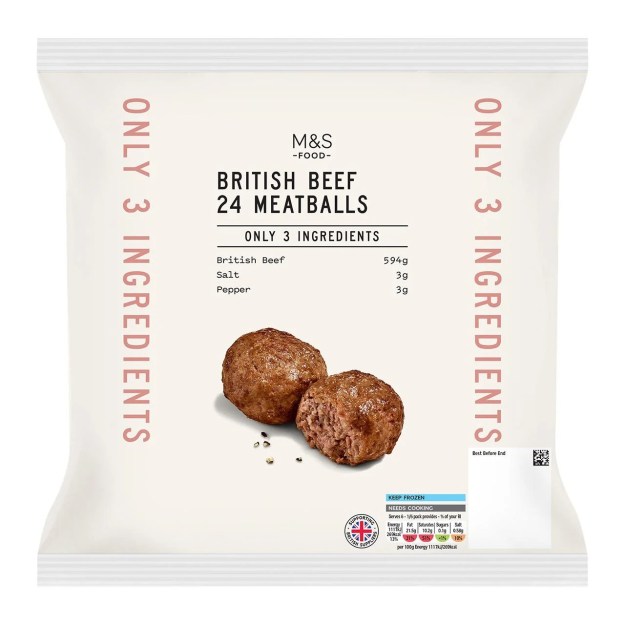
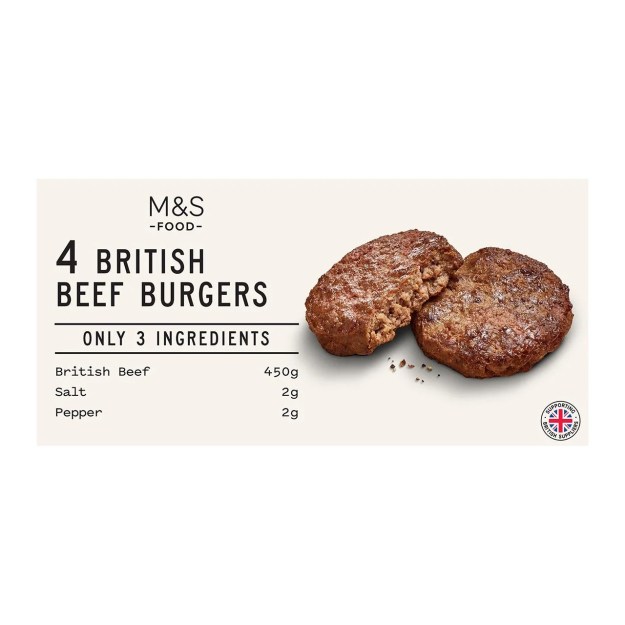
We have just discovered a fabulous range in M&S, it’s called “Only … Ingredients”. It is perfect for people wanting to clean up their diet, without giving up some of their favourite foods, and treats in some cases too. Clearly marked on each of the packaging, is how many ingredients are used in each product. When you turn over to check the ingredients, this tallies up, and as a result, there aren’t nasty additives, fillers and stabilisers that are found in the majority of processed foods, that fill our supermarket shelves.

We have bought their Heritage Gold Pork Sausages, Beef Burgers and Beef Meatballs, all from this range. These products are essentially meat, and a very small amount of seasoning. It is reassuring to see all of the meat in these products are from UK farms, as I personally like to support our UK farmers; which also means less air miles too. So it’s a win-win.

Not that we would eat it personally, I did spot they had crisps, bread, even ice cream and chocolate available, all with minimal very clean ingredients. So if you are genuinely wanting to take the nasty ingredients out of your food and body, this range is a great place to start.

Not that we would eat it personally, I did spot they had crisps, bread, even ice cream and chocolate available, all with minimal very clean ingredients. So if you are genuinely wanting to take the nasty ingredients out of your food and body, this range is a great place to start.