Category Archives: Blog

The effect of highly processed foods, on our hormones and weight

A hundred years ago, our great grandparents ate foods that were farmed, or grown in the fields. Now, sadly, the majority of the foods available in the supermarket, are produced in factories, highly processed and made using ingredients that would have been unheard of a few generations ago. I would argue that our relatives were far healthier too.

The trend for the last 40 years plus has been for low fat foods. When the fat is removed, so much of the flavour disappears too, so sugar or sweeteners are added to help with the flavour; but this still can be classified as low fat. Which of course is good for us, isn’t it?

The general consensus would say that there is nothing wrong with sweeteners, that they are zero calories, so what is the issue?

Think about what happens to your body when you eat something sweet, this includes sweeteners. Your tongue registers that sweet taste, and then your pancreas is signalled to produce insulin to process that sugar, to try to keep our blood glucose level stable.

But sweeteners aren’t sugar, so they do not put up our blood glucose, this insulin spike is not needed by the body, but it still occurs. This is just one of the ways our body becomes insulin resistant. Insulin insensitivity is one of the many markers of metabolic syndrome. Below is a list of ingredients copied from a supermarket own brand sweetener. Apart from the issues relating to metabolic dysfunction, I now believe that eating anything that was created in a laboratory, and the requirement for a chemistry degree to understand what it is, is not good for my body.

INGREDIENTS: Sweeteners (Sodium Cyclamate, Sodium Saccharin), Acidity Regulators (Sodium Bicarbonate, Trisodium Citrate).

Yes, there are no calories, but how are these ingredients impacting on our bodies? How are they affecting our hormones such as insulin, cortisol, leptin and ghrelin. (Leptin and ghrelin are the satiety and hunger hormones in our body) So many of us now are desensitised to our own hormone signalling. We struggle to understand when we are truly hungry, and to be able to stop eating when we are full. Between this and what I now understand to be my sugar and processed food addiction, it’s not surprising that I have struggled to be a healthy weight for so many years.

I know now that zero calorie doesn’t mean something is good for me, and high fat doesn’t mean it is bad for me. It is the ingredients, and how they will impact on my hormones that is important. As ever, this is not medical advice in any way, just me sharing what has helped me, as it might help you too.

Jen x

Autophagy

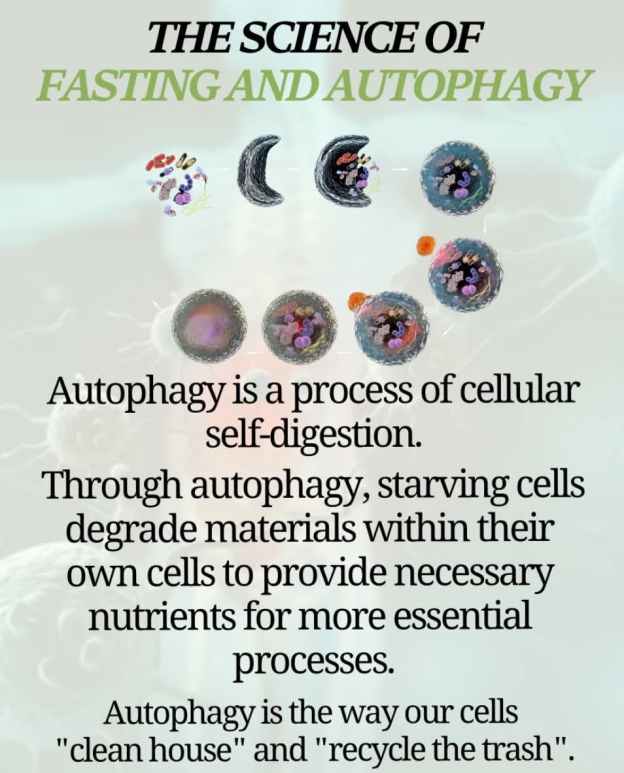
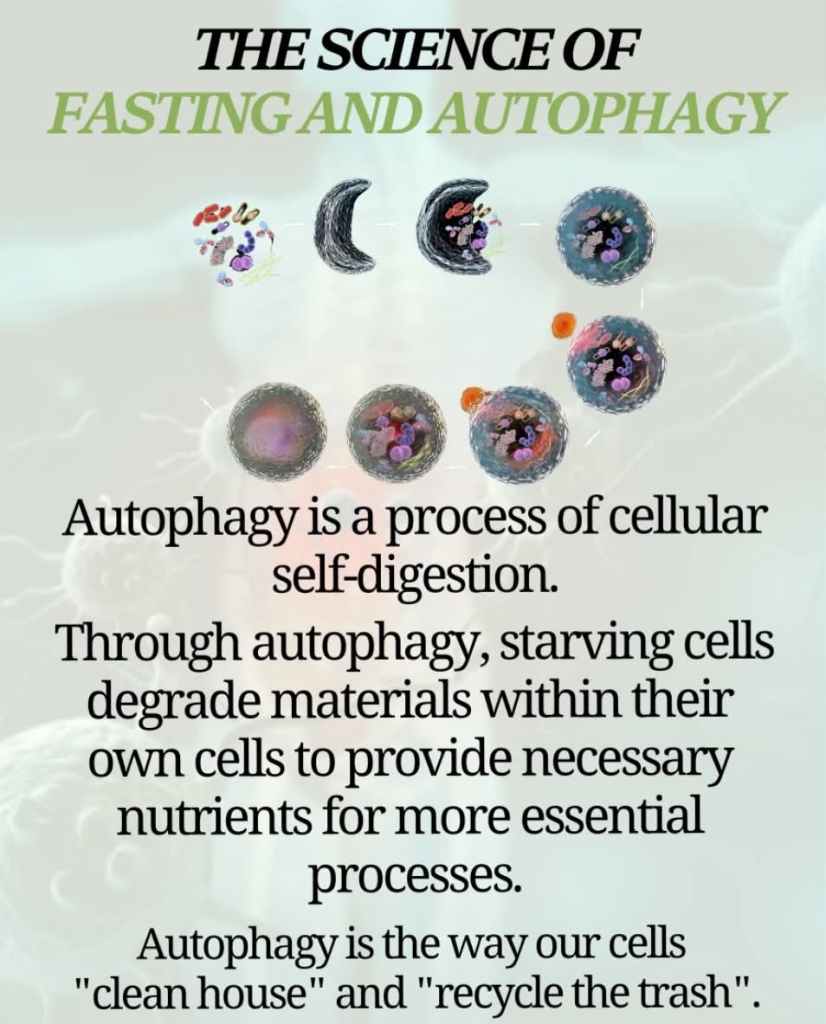
If I was ever tempted to try for Mastermind, my specialist subject would not be The Nobel Prize for Physiology. Having said that, because of my Carnivore lifestyle and fasting, I know a little of the 2016 winner, Yoshinori Ohsumi. He discovered the powerful healing of autophagy, and the wide positive impact it has on the human body.

Autophagy occurs when you have fasted for around 16-24 hours, but when you enter into a prolonged fast, eg over 24 hours, its power increases. Fasting is when we rest our digestive system by not asking it to continuously process food. (The average person now eats 5/6 times a day, snacking between meals counts as eating) It is worth saying that fasting is very different to starvation. When we fast for either religious or health benefits, we are safe, nourished and hydrated.

In basic terms, I think of autophagy like giving your house a good deep clean. You don’t just dust off the surfaces, you get down into all the nooks and crannies, and sort out all the junk hiding at the back of the cupboards. That junk either gets taken out as waste, or gets recycled. This is exactly what autophagy does.

Modern life, aging and ill health causes damage to the cells inside our bodies, these damaged cells can cause us major health issues. It is these cells, along with damaged proteins and mitochondria that are broken down during autophagy. It is this issue that some people become quite alarmed by, thinking our body will start breaking down its own muscle and healthy tissue, but it’s not the case. The body breaks down the damaged cells, which it recycles into healthy new cells and proteins. This is hugely protective from long term chronic and progressive health conditions. Fasting has been used safely for thousands of years, both therapeutically and religiously, but modern day consensus tells us that it is bad for us to not eat. Thankfully, Yoshinori Ohsumi has helped to show the world how incorrect that assumption is.

If you want to look deeper into mitochondria, have a look for Dr Isabella Cooper; and for further information on fasting, Dr Jason Fung knows all there is to know. Or if you are feeling particularly ready for a challenge, look for the 2016 Nobel Prize winning study.

Carbohydrate Addiction

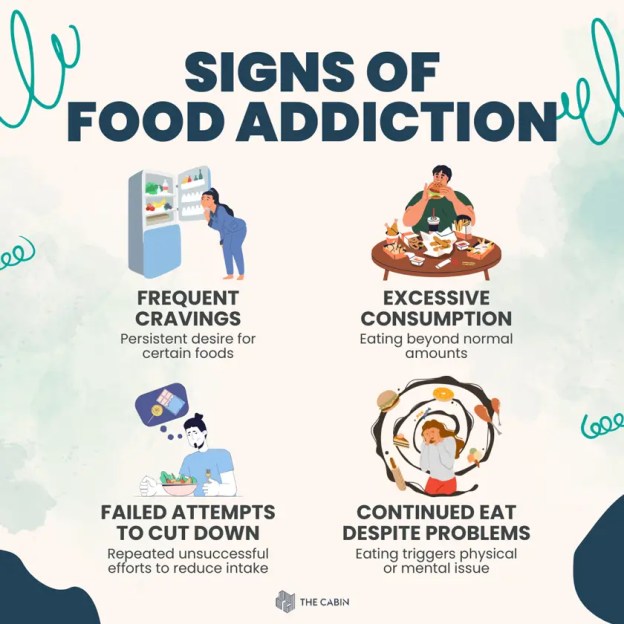
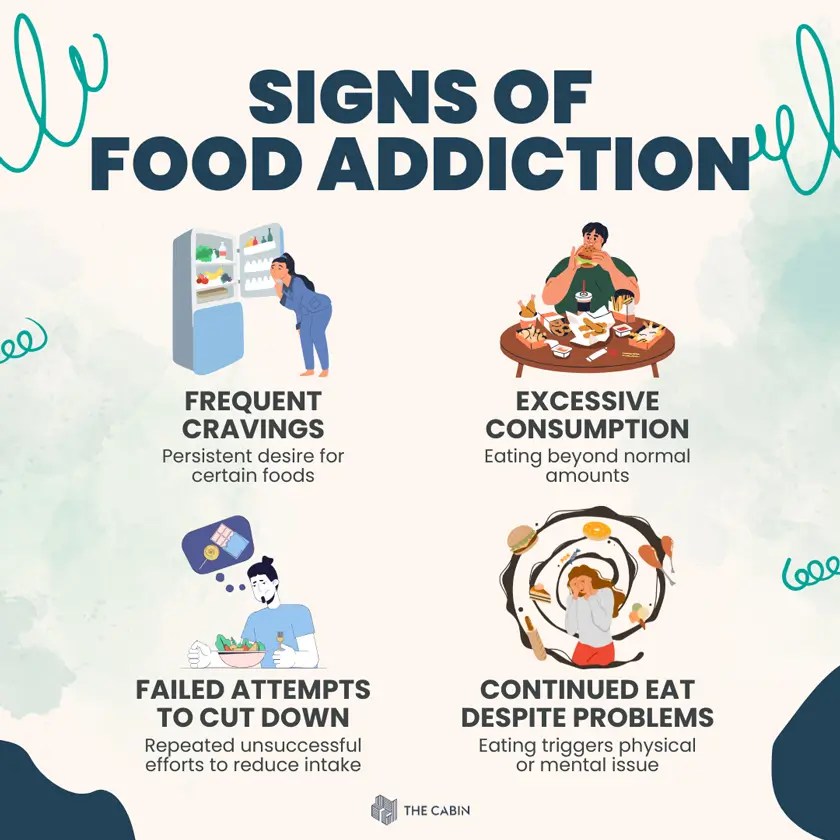
Most of us are aware of drug, alcohol and nicotine addiction, awareness of AA and NA is quite high I imagine. Fewer people know of Overeaters Anonymous, which is focused on helping those with binge eating disorders. How many of us have heard of carb and processed food addiction though? Initially, many would laugh. “Isn’t it just a case of enjoying a well deserved treat at the after a tough day? Or giving ourselves a boost when we are low on energy/feeling unwell” they will say. The difference between those who can have an occasional appropriate treat, and those who can’t, is addiction.

I was chatting to a recovering alcoholic a few years ago, who had just received their 5 year sobriety chip. They told me “One is too many, and a hundred is never enough”. This has stayed with me, but it still took me a few years to be truly honest with myself. This is how my brain is affected by carbs and processed foods. Therefore I AM a carb (sugar) and processed foods addict. It felt strange to say it loud at first, but now I am quite happy and comfortable to talk about it. I hope that it might help others to understand their own relationship with food.

Just as with drug addicts and alcoholics, abstinence is the only option for me; similarly, I am just one bad decision away from firing up my addictive brain again. One bite, one bar of chocolate, one bag of crisps is never enough for me, even if they are family sized sharing bags. This is why I need to be an abstainer, I am physically incapable of moderating. I understand this will be quite shocking to some, but it is my reality. Now I understand why having a few days of treats last Christmas, led me off track until mid March. I am an intelligent woman, but that addiction overrides my logical brain. I knew eating highly processed foods, especially in large volume would cause me huge health problems in the future, but I still couldn’t stop.

This is why I NEED to be a carnivore, free from sugar and carbs.

All of the above are purely my own thoughts and experiences. To read in the area of food, specifically sugar, carb and processed food addiction, look for Dr Jen Unwin, Joan Ifland and Bitten Jonsson. You will find their books available to order, they also have a presence on podcasts and YouTube. All three are incredibly helpful and illuminating.

Jen x

We Ate At Nando’s, The Fallout!

We had a trip to York for 3 days to see family this week. In the past, we have always come home to a 4-6lb weight gain. This time we were determined to stay on track, and not to gain.

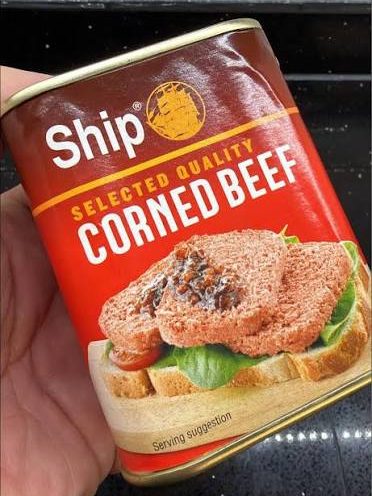
We cooked a lot of our own food to combat this. We made a Bacon & Goats Cheese Frittata, a shed load of boiled eggs, chicken thighs and some ‘clean’ corned beef (Ships from Tesco).

Sugar Free Corned Beef. The likes of Princes have sugar.

Our first meal and final day included what we had brought with us but then the middle day, my Mother wanted to go out for lunch, carnivores will know how difficult it is to eat out. To find a middle ground we suggested Nando’s.

Both myself and Jen ordered Mozzarella sticks (without the dip) and for our main course, I ordered a Whole Chicken, I asked for plain chicken. Jen ordered 4 chicken thighs and Chicken Wings (plain)

Coming home on Wednesday morning, we were putting wagers on how much weight/inflammation we had put on. Really looking forward to some fresh carnivore food of salmon, prawns and boiled eggs with Hollandaise sauce.

We thoroughly enjoyed our freshly cooked lunch. Then it was time to weigh in on Thursday morning.

Incredibly, the weight was a maintain, we were so relieved.

It turns out Nando’s is our place to go for an occasional treat.

What Are Oxalates?

Oxalates is a word I hadn’t heard of until I started my Carnivore lifestyle, it is something that I am learning more of as time goes on. Oxalates are present in many foods considered to be healthy, such as spinach, nuts, beans, soy products and dark chocolate. When you consume Oxalate high foods, it is widely accepted that it can be a factor in the formation of kidney stones.

It isn’t this aspect of Oxalates that has popped up on my radar, it is what can happen to our bodies when we stop eating Oxalate dense foods, which I have, as a Carnivore. When you stop consuming them, our bodies start to release the stores that they have been holding on to. If you have had a particularly high intake previously, you can experience what is known as Oxalate dumping. This can cause very varied symptoms. From rashes and skin irritation, to brain fog and burning irritated eyes; I have heard anecdotally that some people have experienced crystals actually coming out of their skin.

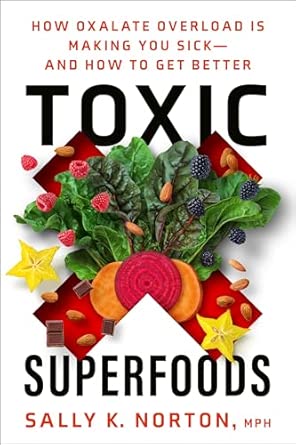
After a lot of reading in this area, I can highly recommend that anyone wanting to learn about the subject, should look for the Queen of Oxalates, as I think of her. Sally K Norton can be easily found on YouTube, and her book Toxic Superfoods is hugely helpful.

Sally is extremely knowledgeable on this subject, and has suffered from debilitating health issues herself, which is how she started her research into this area. So if you start to experience any of these symptoms, and would like to know how to manage them, Sally is the go-to for everything you need to know.